

Oil & Gas Geology ›› 2025, Vol. 46 ›› Issue (3): 910-925.doi: 10.11743/ogg20250314
• Petroleum Geology • Previous Articles Next Articles
Hui WANG1( ), Lanzhi QIN1, Jingqi XU1, Yongjun CHEN1, Wei ZHANG2, Yong DAI1, Hehe CHEN2,3()
Received:2024-12-03
Revised:2025-02-10
Online:2025-06-30
Published:2025-06-26
Contact:
Hehe CHEN
E-mail:wanghui7@cnooc.com.cn;hehechen@cugb.edu.cn
CLC Number:
Hui WANG, Lanzhi QIN, Jingqi XU, Yongjun CHEN, Wei ZHANG, Yong DAI, Hehe CHEN. Sedimentary filling characteristics of the Paleogene Baoshi Formation in the western slope of Xihu Sag, East China Sea Shelf Basin[J]. Oil & Gas Geology, 2025, 46(3): 910-925.
Add to citation manager EndNote|Reference Manager|ProCite|BibTeX|RefWorks

Fig.1
Structural division map, and tectonic and stratigraphic profile of the Baoshi Formation, Xihu Sag (modified after reference [16])"


Fig.2
Structural style characteristics of the western slope zone in the Xihu Sag (see Fig.1a for the section location)"


Fig.3
Statistics on the activity of synsedimentary faults in the Baoshi Formation, Xihu Sag"


Fig.4
Images of typical cores from the Baoshi Formation, Xihu Sag"


Fig.5
Sedimentary characteristics of the Baoshi Formation in well H-1, Hangzhou tectonic zone, western slope of the Xihu Sag"


Fig.6
Sedimentary characteristics of the Baoshi Formation in well N-5, Pinghu tectonic zone, western slope of the Xihu Sag"

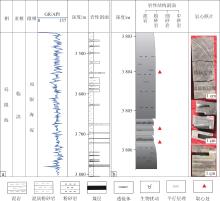
Fig.7
Sedimentary characteristics of the Baoshi Formation in well B-1, Tiantai tectonic zone, western slope of the Xihu Sag"


Fig.8
Planar view of the seismic facies distribution in the Baoshi Formation, Xihu Sag"

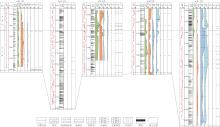
Fig.9
Paleontological assemblages and geochemical characteristics of the Baoshi Formation in typical wells, Xihu Sag"


Fig.10
Typical ichnofacies in cores from the Baoshi Formation in different tectonic zones of the Xihu Sag"


Fig.11
Distribution of sedimentary systems and sedimentary model of the Baoshi Formation, Xihu Sag"

| 1 | 周心怀, 蒋一鸣, 唐贤君. 西湖凹陷成盆背景、原型盆地演化及勘探启示[J]. 中国海上油气, 2019, 31(3): 1-10. |
| ZHOU Xinhuai, JIANG Yiming, TANG Xianjun. Tectonic setting, prototype basin evolution and exploration enlightenment of Xihu Sag in East China Sea Basin[J]. China Offshore Oil and Gas, 2019, 31(3): 1-10. | |
| 2 | ZHU Weilin, ZHONG Kai, FU Xiaowei, et al. The formation and evolution of the East China Sea Shelf Basin: A new view[J]. Earth-Science Reviews, 2019, 190: 89-111. |
| 3 | WANG Bing, DOUST H, LIU Jingyan. Geology and petroleum systems of the East China Sea Basin[J]. Energies, 2019, 12(21): 4088. |
| 4 | 顾惠荣, 陈琳琳. 东海陆架西湖凹陷宝石一井深层微体化石及地层意义[J]. 古生物学报, 2003, 42(4): 620-623. |
| GU Huirong, CHEN Linlin. Microfossils and chronostratigraphy of the deep beds in the Well Baoshi 1# from Xihu Sag, the East China Sea[J]. Acta Palaeontologica Sinica, 2003, 42(4): 620-623. | |
| 5 | 李纯洁, 李上卿, 许红. 西湖凹陷中-下始新统宝石组油气地质与勘探潜力[J]. 海洋地质与第四纪地质, 2004, 24(4): 81-87. |
| LI Chunjie, LI Shangqing, XU Hong. Petroleum geologic characteristics and exploration potential of Middle-Lower Eocene Baoshi Formation in the Xihu Sag[J]. Marine Geology & Quaternary Geology, 2004, 24(4): 81-87. | |
| 6 | 丁飞, 蒋一鸣, 赵洪, 等. 西湖凹陷始新统宝石组烃源岩分布差异及控制因素[J]. 中国海上油气, 2024, 36(5): 68-82. |
| DING Fei, JIANG Yiming, ZHAO Hong, et al. Distribution differences and controlling factors of source rocks of Eocene Baoshi Formation in Xihu Sag[J]. China Offshore Oil and Gas, 2024, 36(5): 68-82. | |
| 7 | 蒋海军, 胡明毅, 胡忠贵, 等. 西湖凹陷古近系沉积环境分析——以微体古生物化石为主要依据[J]. 岩性油气藏, 2011, 23(1): 74-78. |
| JIANG Haijun, HU Mingyi, HU Zhonggui, et al. Sedimentary environment of Paleogene in Xihu Sag: Microfossil as the main foundation[J]. Lithologic Reservoirs, 2011, 23(1): 74-78. | |
| 8 | 胡明毅, 吴玉坤, 徐艳霞, 等. 西湖凹陷深层宝石组沉积相特征及沉积相模式[J]. 石油天然气学报, 2011, 33(8): 1-5. |
| HU Mingyi, WU Yukun, XU Yanxia, et al. Sedimentary facies and depositional mode of deep reservoirs of Baoshi Formation in Xihu Depression[J]. Journal of Oil and Gas Technology, 2011, 33(8): 1-5. | |
| 9 | 张喜林. 东海盆地西湖凹陷中-下始新统宝石组沉积特征[J]. 地球科学与环境学报, 2014, 36(3): 31-37. |
| ZHANG Xilin. Sedimentary characteristics of Baoshi Formation of Lower-Middle Eocene in Xihu Sag of East China Sea Basin[J]. Journal of Earth Sciences and Environment, 2014, 36(3): 31-37. | |
| 10 | 李昆, 周兴海, 吴嘉鹏, 等. 西湖凹陷中下始新统宝石组沉积相研究[J]. 海洋石油, 2017, 37(1): 16-20, 79. |
| LI Kun, ZHOU Xinghai, WU Jiapeng, et al. Sedimentary facies of Middle-Lower Eocene Baoshi Formation in Xihu Sag, East China Sea Shelf Basin[J]. Offshore Oil, 2017, 37(1): 16-20, 79. | |
| 11 | 李磊, 黄晓松, 肖晓光, 等. 西湖凹陷西部斜坡带宝石组沉积相研究[J]. 上海国土资源, 2023, 44(3): 23-27. |
| LI Lei, HUANG Xiaosong, XIAO Xiaoguang, et al. Sedimentary facies of Baoshi Formation in western slope zone of Xihu Sag[J]. Shanghai Land & Resources, 2023, 44(3): 23-27. | |
| 12 | 何贤科, 娄敏, 蔡华, 等. 西湖凹陷C油田花港组浅水三角洲储集层构型[J]. 新疆石油地质, 2023, 44(5): 517-527. |
| HE Xianke, LOU Min, CAI Hua, et al. Architecture of shallow⁃water delta reservoir of Huagang Formation in C Oilfield, Xihu Sag[J]. Xinjiang Petroleum Geology, 2023, 44(5): 517-527. | |
| 13 | 李宁, 季兴开, 唐贤君, 等. 东海盆地西湖凹陷B1井中始新世微体古生物及其古环境意义[J]. 微体古生物学报, 2024, 41(2): 161-173. |
| LI Ning, JI Xingkai, TANG Xianjun, et al. Eocene micropaleontology and its eoenvironmental significance in well B1, Xihu Sag, East China Sea Basin[J]. Acta micropalaeontologica Sinica, 2024, 41(2): 161-173. | |
| 14 | 刘金水, 许怀智, 蒋一鸣, 等. 东海盆地中、新生代盆架结构与构造演化[J]. 地质学报, 2020, 94(3): 675-691. |
| LIU Jinshui, XU Huaizhi, JIANG Yiming, et al. Mesozoic and Cenozoic Basin structure and tectonic evolution in the East China Sea Basin[J]. Acta Geologica Sinica, 2020, 94(3): 675-691. | |
| 15 | 余浪, 余一欣, 蒋一鸣, 等. 东海陆架盆地西湖凹陷天台斜坡构造变换带发育特征及形成机理[J]. 石油与天然气地质, 2023, 44(3): 753-763. |
| YU Lang, YU Yixin, JIANG Yiming, et al. Characteristics and forming mechanisms of transform zone in the Tiantai slope, Xihu Sag, East China Sea Shelf Basin[J]. Oil & Gas Geology, 2023, 44(3): 753-763. | |
| 16 | 唐贤君, 李宁, 黄晓松, 等. 东海盆地西湖凹陷中下始新统宝石组再认识[J]. 地层学杂志, 2024, 48(4): 404-418. |
| TANG Xianjun, LI Ning, HUANG Xiaosong, et al. Reassessment of the Baoshi Formation of the Middle-Lower Eocene series in the Xihu Sag of the East China Sea Basin[J]. Journal of Stratigraphy, 2024, 48(4): 404-418. | |
| 17 | 张迎朝, 邹玮, 陈忠云, 等. 东海陆架盆地西湖凹陷中央反转构造带古近系花港组气藏“先汇后聚”机制及地质意义[J]. 石油与天然气地质, 2023, 44(5): 1256-1269. |
| ZHANG Yingzhao, ZOU Wei, CHEN Zhongyun, et al. The mechanism of “convergence ahead of accumulation” and its geological significance for gas reservoirs in Paleogene Huagang Formation across the central inverted structural zone of Xihu Depression, East China Sea Shelf Basin[J]. Oil & Gas Geology, 2023, 44(5): 1256-1269. | |
| 18 | 赵军, 唐贤君, 蒋一鸣, 等. 东海盆地西湖凹陷西北缘中始新世构造变革厘定及成因探讨[J]. 地质科技通报, 2020, 39(3): 58-67. |
| ZHAO Jun, TANG Xianjun, JIANG Yiming, et al. Confirmation and genesis of the Middle Eocene tectonic transformation in northwestern margin of Xihu Depression, East China Sea Basin[J]. Bulletin of Geological Science and Technology, 2020, 39(3): 58-67. | |
| 19 | 贾进华, 邹才能. 中国古生代海相碎屑岩储层与油气藏特征[J]. 地球科学, 2012, 37(): 55-66. |
| JIA Jinhua, ZOU Caineng. Reservoir and oil-gas pool characteristics of Paleozoic marine clastic rocks in China[J]. Earth Science, 2012, 37(S2): 55-66. | |
| 20 | 李盛谦, 曾溅辉, 刘亚洲, 等. 东海盆地西湖凹陷孔雀亭地区古近系平湖组储层成岩作用及孔隙演化[J]. 岩性油气藏, 2023, 35(5): 49-61. |
| LI Shengqian, ZENG Jianhui, LIU Yazhou, et al. Reservoir diagenesis and pore evolution of Paleogene Pinghu Formation in Kongqueting area of Xihu Sag, East China Sea Basin[J]. Lithologic Reservoirs, 2023, 35(5): 49-61. | |
| 21 | 郭刚, 李鑫, 韩雅坤, 等. 东海盆地西湖凹陷平湖斜坡始新统平湖组成岩相类型及对储层的控制[J]. 吉林大学学报(地球科学版), 2024, 54(5): 1494-1505. |
| GUO Gang, LI Xin, HAn Yakun, et al. Diagenetic Facies Types and Their Control on Reservoirs of Eocene Pinghu Formation in Pinghu Slope, Xihu Sag,East China Sea Basin[J]. Journal of Jilin University (Earth Science Edition), 2024, 54(5): 1494-1505. | |
| 22 | 王宇飞, 杨健, 徐景先, 等. 中国新生代植物演化及古气候、古环境重建研究进展[J]. 古生物学报, 2009, 48(3): 569-576. |
| WANG Yufei, YANG Jian, XU Jingxian, et al. Research highlights on the evolution of Cenozoic plants and the reconstruction of palaeoclimate and palaeoenvironments in China[J]. Acta Palaeontologica Sinica, 2009, 48(3): 569-576. | |
| 23 | SEILACHER A. Trace fossil analysis[M]. Berlin: Springer, 2007. |
| 24 | BAI Yueyue, LIU Zhaojun, SUN Pingchang, et al. Rare earth and major element geochemistry of Eocene fine-grained sediments in oil shale- and coal-bearing layers of the Meihe Basin, northeast China[J]. Journal of Asian Earth Sciences, 2015, 97(Part A): 89-101. |
| 25 | 万俊雨, 朱建辉, 姚素平, 等. 鄂尔多斯盆地中、东部奥陶系马家沟组成烃生物及烃源岩地球生物学评价[J]. 石油与天然气地质, 2024, 45(2): 393-405. |
| WAN Junyu, ZHU Jianhui, YAO Suping, et al. Geobiological evaluation of hydrocarbon-generating organisms and source rocks in the Ordovician Majiagou Formation, east-central Ordos Basin[J]. Oil & Gas Geology, 2024, 45(2): 393-405. | |
| 26 | 童晓宁, 胡建芳, 祝孟博, 等. 松辽盆地姚家车站剖面嫩江组一段下部湖相有机质组成及其沉积环境特征[J]. 地球化学, 2019, 48(2): 149-160. |
| TONG Xiaoning, HU Jianfang, ZHU Mengbo, et al. Paleoenvironmental changes during the deposition of the lower Member 1 of the Nenjiang Formation in the Songliao Basin, northeastern China[J]. Geochimica, 2019, 48(2): 149-160. | |
| 27 | 林畅松, 张燕梅, 李思田, 等. 中国东部中新生代断陷盆地幕式裂陷过程的动力学响应和模拟模型[J]. 地球科学, 2004, 29(5): 583-588. |
| LIN Changsong, ZHANG Yanmei, LI Sitian, et al. Episodic rifting dynamic process and quantitative model of Mesozoic-Cenozoic faulted basins in eastern China[J]. Earth Science, 2004, 29(5): 583-588. | |
| 28 | 董鑫旭, 周兴海, 李昆, 等. 海上稀疏井区高精度地层格架约束下的地震沉积学刻画——以东海盆地西湖凹陷中央背斜带X区块古近系花 港组为例[J]. 石油与天然气地质, 2024, 45(1): 293-308. |
| DONG Xinxu, ZHOU Xinghai, LI Kun, et al. Seismic sedimentological characterization of an offshore area with sparse well control under the constraint of a high-resolution stratigraphic framework: A case study of the Paleogene Huagang Formation in block X of the central anticlinal zone in the Xihu Sag, East China Sea Basin[J]. Oil & Gas Geology, 2024, 45(1): 293-308. | |
| 29 | 唐贤君, 钟荣全, 陈永军, 等. 东海盆地西湖凹陷斜坡区平湖断裂带分段性及其成因机制[J]. 吉林大学学报(地球科学版), 2024, 54(6): 2047-2060. |
| TANG Xianjun, ZHONG Rongquan, CHEN Yongjun, et al. Segmentation and genetic mechanism of Pinghu fault zone in Xihu Sag slope area, East China Sea Basin[J]. Journal of Jilin University (Earth Science Edition), 2024, 54(6): 2047-2060. |
| Viewed | ||||||
|
Full text |
|
|||||
|
Abstract |
|
|||||
