

Oil & Gas Geology ›› 2025, Vol. 46 ›› Issue (4): 1215-1232.doi: 10.11743/ogg20250413
• Petroleum Geology • Previous Articles Next Articles
Dongxia CHEN1( ), Qiaochu WANG1, Liang XIONG2, Xiaojuan WANG3, Yingtao YANG2, Wenzhi LEI1, Ling ZHANG2, Ke PAN3, Hong PANG1
Received:2025-04-28
Revised:2025-07-06
Online:2025-08-30
Published:2025-09-06
CLC Number:
Dongxia CHEN, Qiaochu WANG, Liang XIONG, Xiaojuan WANG, Yingtao YANG, Wenzhi LEI, Ling ZHANG, Ke PAN, Hong PANG. Genetic mechanisms and classified evaluation of conventional and unconventional effective reservoirs in the whole petroleum system of continental sequences, western-central Sichuan Basin[J]. Oil & Gas Geology, 2025, 46(4): 1215-1232.
Add to citation manager EndNote|Reference Manager|ProCite|BibTeX|RefWorks

Fig.1
Composite diagrams showing key geological elements of the WPS in the Sichuan Basin (modified after reference [9])"


Fig.2
Section showing the sedimentary systems of continental sequences in the western-central Sichuan Basin (see Fig.1 for the section location)"


Fig.3
Map showing the distribution of the sedimentary systems of continental sequences in the western-central Sichuan Basin"


Fig.4
Characteristics of conventional and unconventional reservoirs in continental sequences within the western-central Sichuan Basin"


Fig.5
Microscopic characteristics of pores in conventional and unconventional reservoirs in continental sequences within the western-central Sichuan Basin"

Table 1
Characteristics of pores and fractures in shale reservoirs in the Da’anzhai Member of the Jurassic Ziliujing Formation, central Sichuan Basin"
| 储集空间类型 | 孔径 | 平均孔隙半径 | 面孔率/% | 孔隙连通性 | 扫描电镜照片 | |
|---|---|---|---|---|---|---|
有机质孔隙 (含有机质) | 较大 | 数十纳米 | 23.40 ~ 58.42(较大) | 差 | 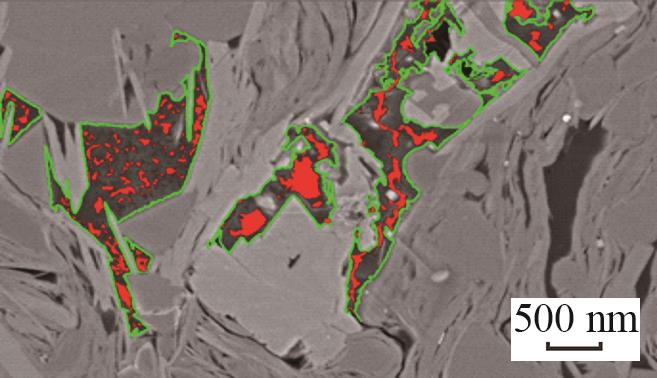 | |
有机质孔隙 (贫有机质) | 小 | 数纳米 | 3.32 ~ 7.85(较小) | 中等 | 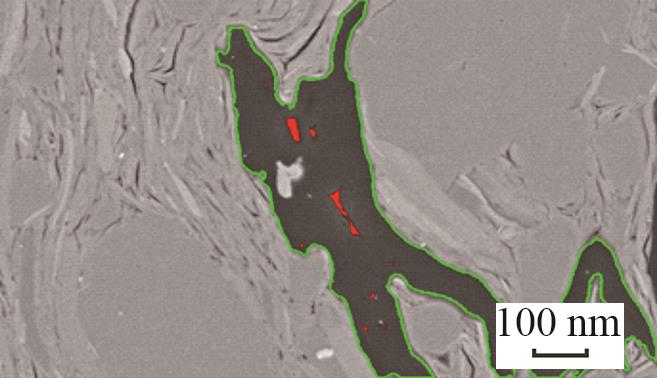 | |
| 无机质孔隙 | 粒间孔 | 较大 | 数十纳米 | 3.56 ~ 9.18(较小) | 较好 | 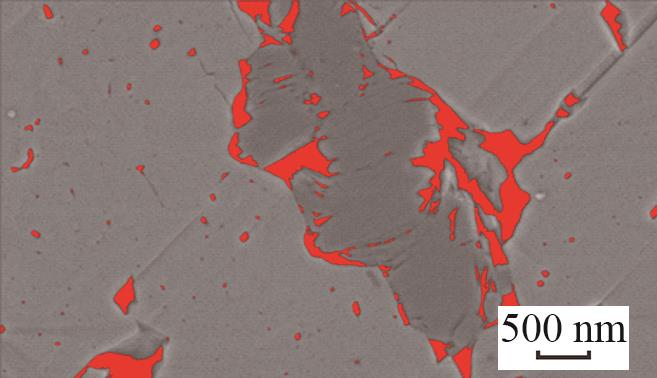 |
晶间孔 (黏土矿物) | 较大 | 数十纳米 | 25.21 ~ 45.83(较大) | 中等 | 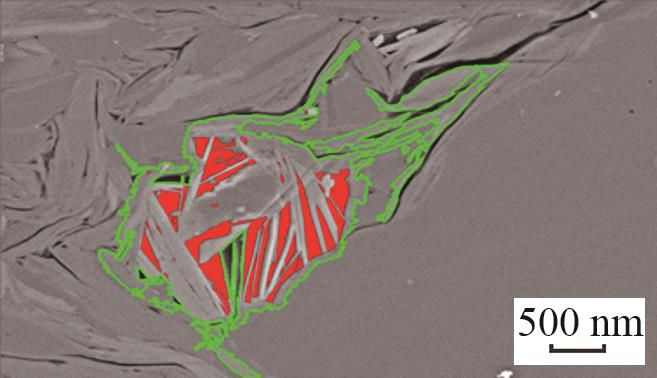 | |
晶间孔 (黄铁矿) | 较大 | 数十纳米 | 8.12 ~ 16.58(中等) | 中等 | 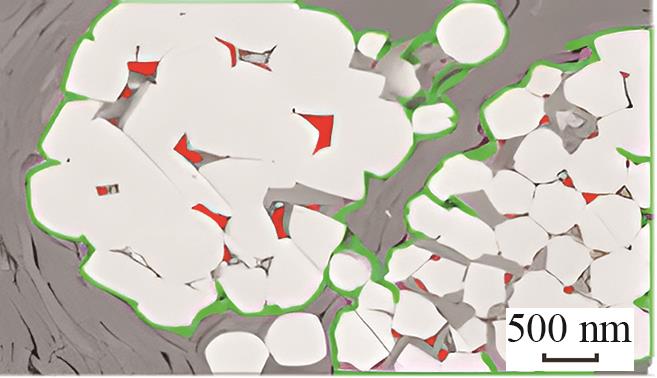 | |
| 溶蚀孔 | 较小 | 数十纳米 | 5.63 ~ 9.52(较小) | 差 | 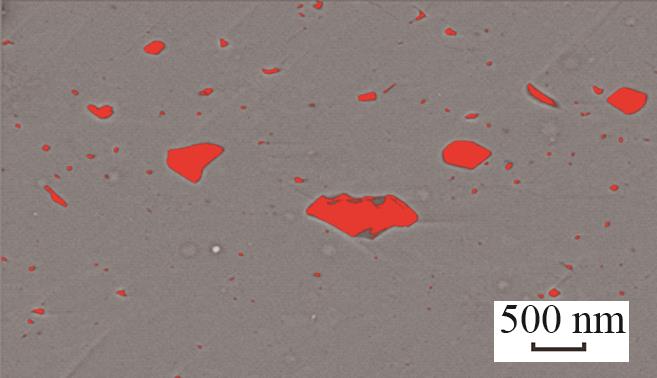 | |
| 微裂缝 | — | — | — | 好 | 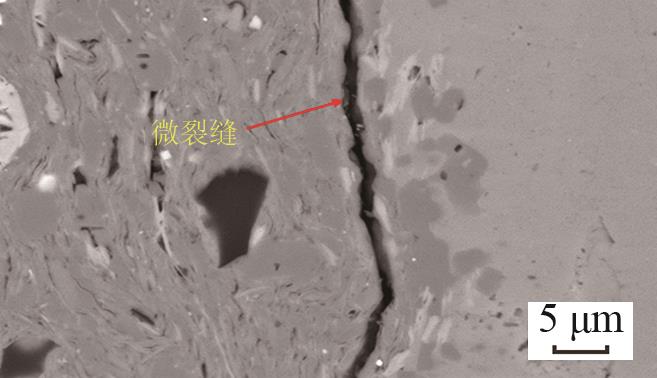 | |

Fig.6
Sedimentary characteristics of tight reservoirs in the 2nd member of the Xujiahe Formation, western-central Sichuan Basin"


Fig.7
Sand body distribution and diagenetic evolutionary pattern of reservoirs in the Shaximiao Formation, western-central Sichuan Basin"


Fig.8
Sedimentary lithofacies and lithologic assemblage types of lamellar shales in the Da’anzhai Member of the Jurassic Ziliujing Formation, central Sichuan Basin"

Table 2
Parameters for lithofacies and lithologic features and pore structures and organic matter enrichment in the shale reservoirs of Da’anzhai Member of the Jurassic Ziliujing Formation, central Sichuan Basin"
| 岩性组合 | 孔径/μm | 平均孔径/μm | 孔隙体积/cm3 | 主要孔隙类型 | 孔隙度频率分布直方图 | 渗透率频率分布直方图 | TOC/% |
|---|---|---|---|---|---|---|---|
| A (块状介壳灰岩) | 0.001 77 ~ 418.0 | 14.3 | 0.109 | 晶间微孔、粒间及粒内溶孔 |  | 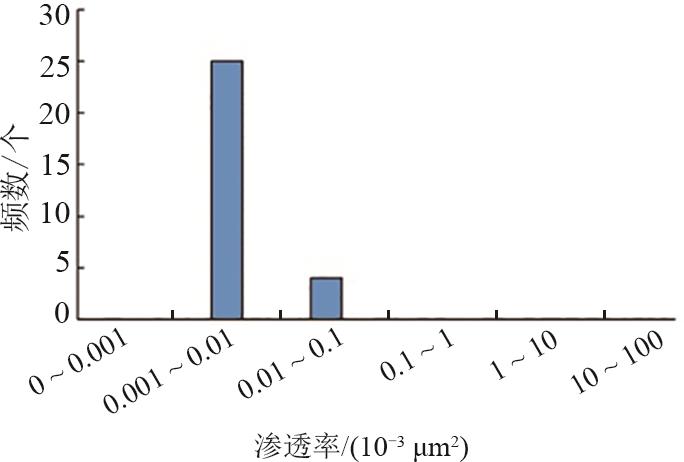 | |
| B (页岩与介壳层互层) | 0.001 87 ~ 420.0 | 22.5 | 0.188 | 晶间微孔、粒间及粒内溶孔,少量黏土矿物微孔 | 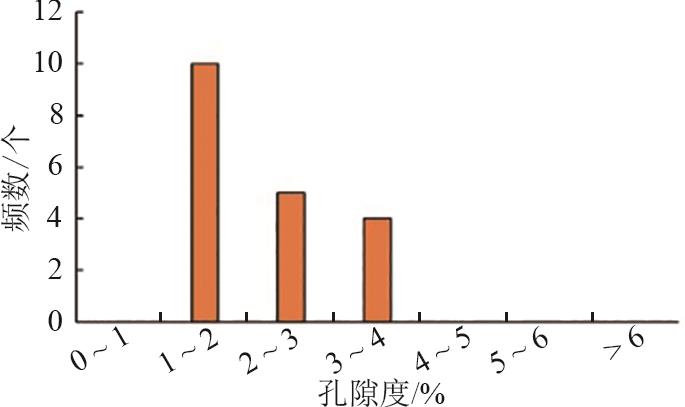 | 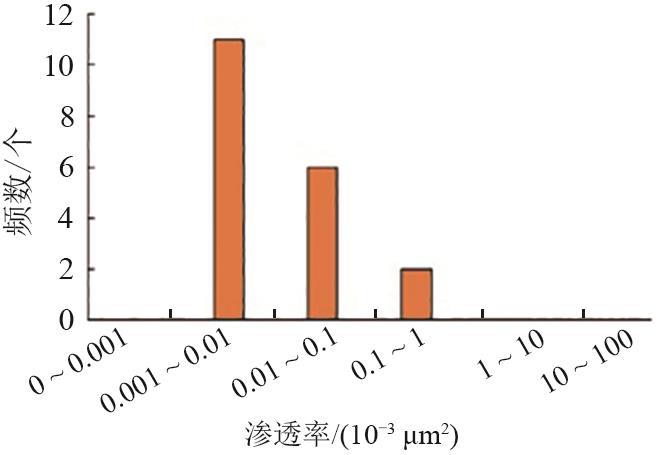 | |
| C (页岩夹介壳层) | 0.001 79 ~ 420.0 | 26.4 | 0.437 | 溶蚀孔、黏土矿物晶间孔、有机质孔及微裂缝,少量粒间及粒内溶孔 | 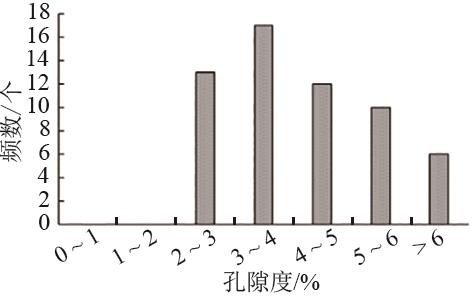 | 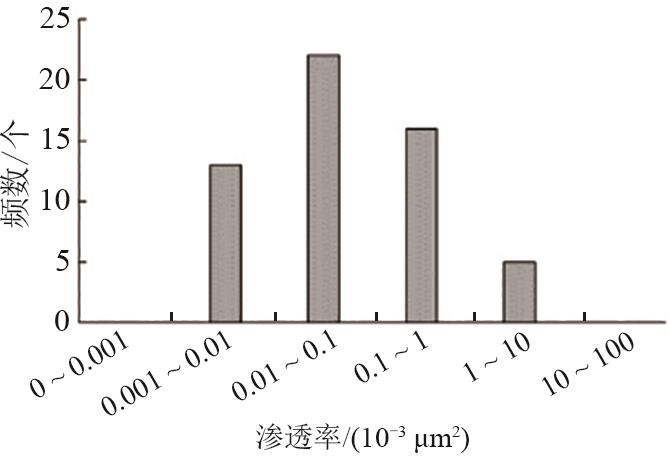 | |
| D (纯页岩) | 0.001 83 ~ 417.0 | 12.6 | 0.171 | 溶蚀孔、黏土矿物晶间孔、有机质孔及微裂缝 | 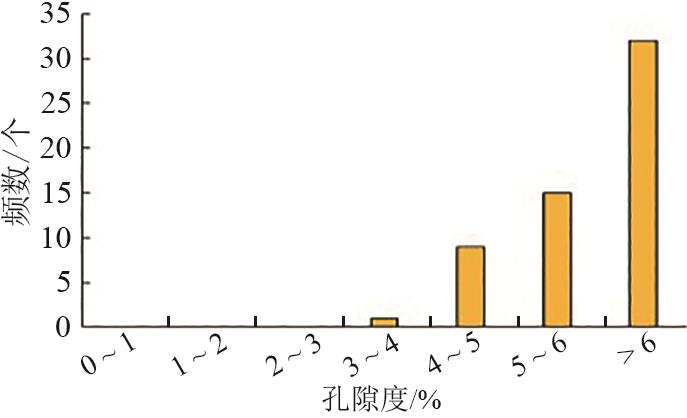 | 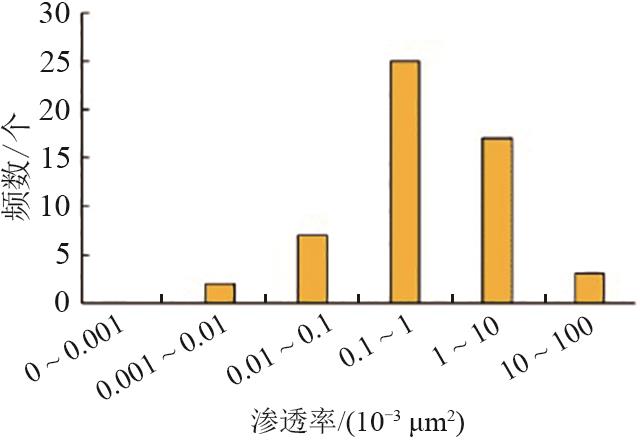 |

Fig.9
Dynamic mechanisms for hydrocarbon accumulation and reservoir development model in the continental WPS of the western-central Sichuan Basin"

Table 3
Criteria for grading and classification evaluation of the quality of intermediate to deep tight sandstone reservoirs in the western-central Sichuan Basin"
| 储层类型 | 裂缝型 | 孔隙-裂缝型 | 裂缝-孔隙型 | 孔隙型 | ||||
|---|---|---|---|---|---|---|---|---|
| 孔隙型Ⅰ类 | 孔隙型Ⅱ类 | 孔隙型Ⅲ类 | 孔隙型Ⅳ类 (非储层) | |||||
| 物性特征 | 孔隙度/% | 0 ~ 3.00 | 3.00 ~ 5.00 | > 5.00 | > 5.00 | 3.00 ~ 5.00 | > 3.00 | < 3.00 |
| 渗透率/(10-3 μm2) | > 0.030 | > 1.000 | > 1.000 | 0.100 ~ 1.000 | 0.100 ~ 1.000 | 0.030 ~ 0.100 | < 0.030 | |
| 孔隙结构特征 | 孔隙类型 | 储集空间及渗流通道,主要为张开裂缝 | 孔隙为主要储集空间,裂缝为主要渗流通道 | 主要储集空间为孔隙,渗流通道为裂缝及喉道 | 以原生粒间孔隙、粒间溶孔为主、粒内溶孔 | 粒内溶孔、粒间孔均较发育 | 粒内溶孔为主,存在大量微孔隙群 | 以微孔隙群为主 |
| 喉道类型 | 片状喉道 | 片状喉道 | 片状喉道 | 管束状喉道 | ||||
孔喉拓扑 结构类型 | — | — | — | 粒间孔-片状喉道 | 粒间孔-粒内孔-片状喉道 | 粒内孔-微孔隙群-片状喉道 | 微孔隙群-管束状状喉道 | |
| 主要岩相类型 | 块状/平行层理中粗砂岩相 | 千层饼/平行层理中粗砂岩 | 千层饼/平行层理中粗砂岩 | 块状/斜层理中粗砂岩相 | 含碳屑中粗砂岩块状/斜层理细砂岩相 | 块状/斜层理细砂岩相 | 波状层理粉砂钙质胶结块状中粗砂岩 | |
高压压汞曲线 (毛细管力曲线) | — | — | — |  | 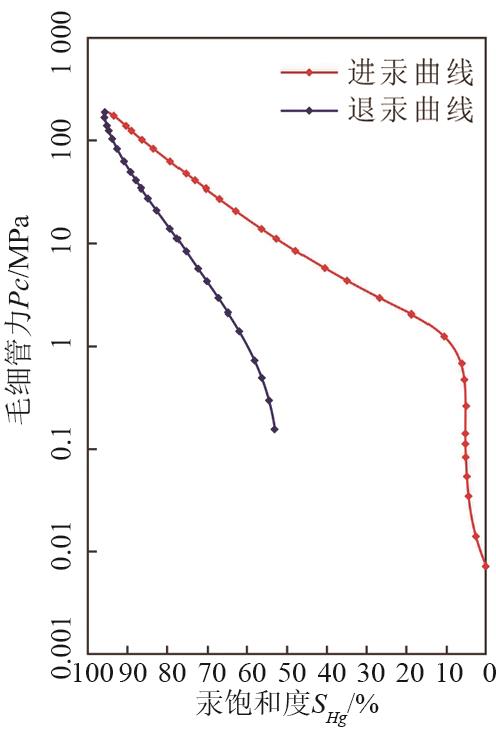 |  |  | |
镜下特征照片 (铸体薄片) | 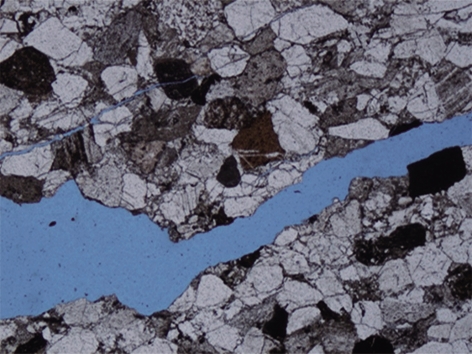 | 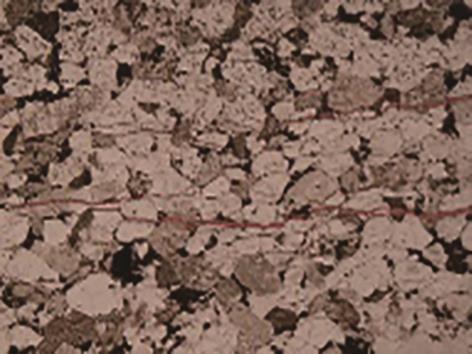 | 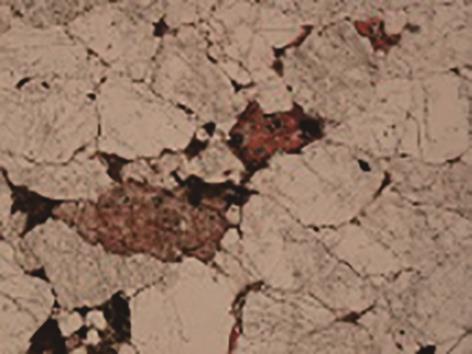 | 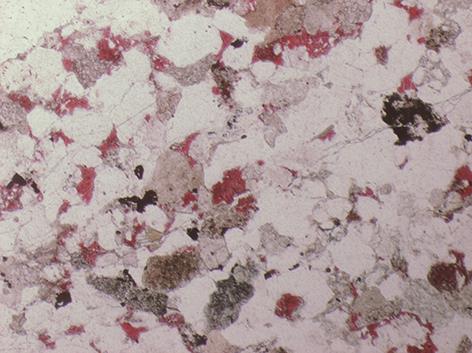 | 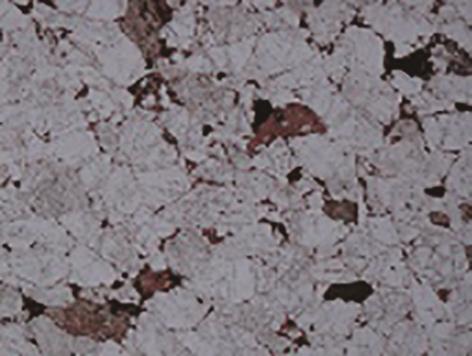 | 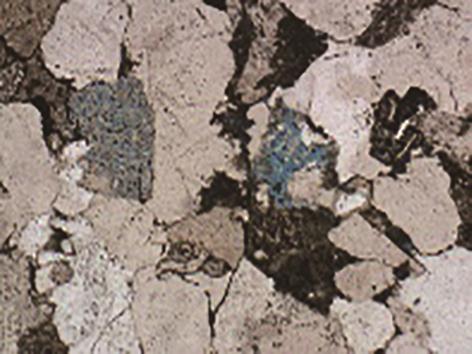 | 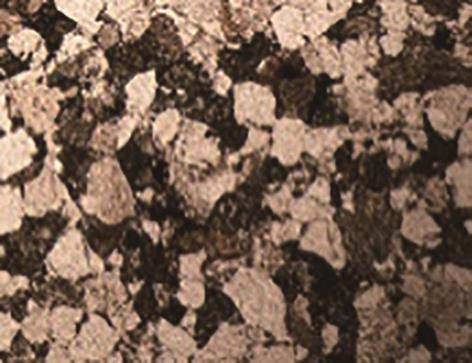 | |
| 孔隙结构模型 | — | — | — | 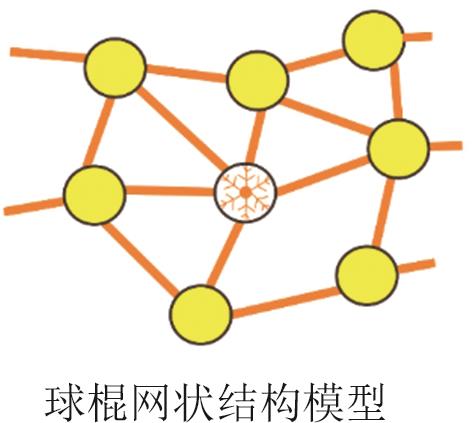 | 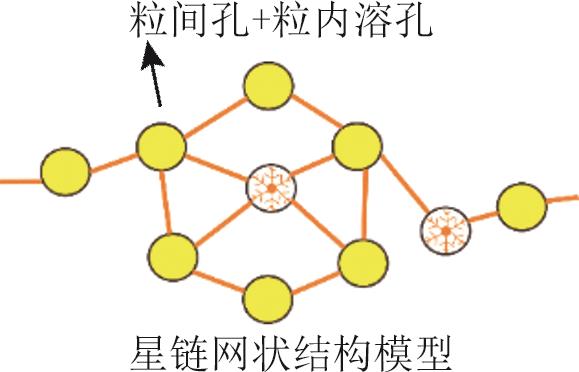 | 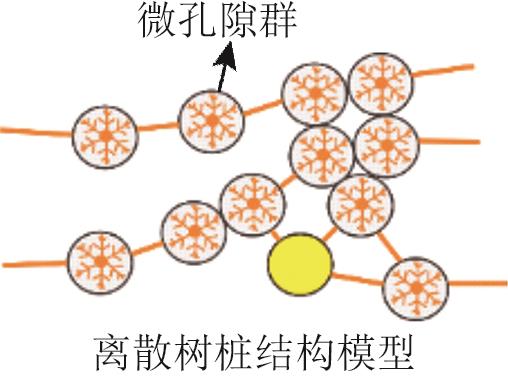 |  | |
Table 4
Criteria for grading and classification evaluation of the quality of intermediate to shallow conventional reservoirs in the western-central Sichuan Basin"
| 储层类型 | 岩石类型 | 沉积相 | 成岩相 | 构造变形强弱 | 孔隙类型 | 孔隙度/% | 渗透率/(10-3 μm2) | |
|---|---|---|---|---|---|---|---|---|
| Ⅰ | 岩屑长石砂岩、长石岩屑砂岩、岩屑砂 岩、长石砂岩 | 三角洲前缘 | 强溶蚀 | 弱-中等 | 铸模孔、剩余粒间孔,超大溶孔 | >12.00 | >1.000 | |
| Ⅱ | Ⅱ1 | 三角洲平原、三角洲前缘 | 胶结、中溶蚀 | 弱 | 剩余粒间孔、粒间溶孔、粒内溶孔 | 8.00 ~ 12.00 | 0.500 ~ 1.000 | |
| Ⅱ2 | 三角洲平原、三角洲前缘 | 压实、中溶蚀 | 弱-中等 | |||||
| Ⅲ | Ⅲ1 | 岩屑长石砂岩、长石岩屑砂岩、岩屑砂岩、长石砂岩 | 三角洲平原、三角洲前缘 | 压实、弱溶蚀 | 中等-强 | 剩余粒间孔、粒内溶孔 | 5.00 ~ 8.00 | 0.100 ~ 0.500 |
| Ⅲ2 | 三角洲平原、三角洲前缘 | 胶结、弱溶蚀 | 中等-强 | |||||
| Ⅳ | 岩屑砂岩、粗粉砂岩,泥岩 | 湖泊 | 中-强压实 | 弱 | 贴粒缝、晶间孔 | < 5.00 | < 0.100 | |
| 冲积扇、河流、三角洲平原 | 强胶结 | 强 | ||||||
Table 5
Criteria for grading and classification evaluation of the quality of shale reservoirs in the Da’anzhai Member of the Jurassic Ziliujing Formation, central Sichuan Basin"
| 储层类型 | 储层厚度/m | 岩性组合及其剖面特征 | 有效孔隙度/% | 渗透率/(10-3 μm2) | 含水饱和度/% | TOC/% | 脆性矿物含量/% | 可动油体积占比/% | |
|---|---|---|---|---|---|---|---|---|---|
| Ⅰ | > 20 | C (页岩夹介壳层) | 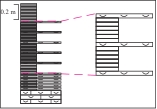 | > 5.00 | > 0.100 | < 60 | > 1.5 | > 70 | > 1.5 |
| Ⅱ | D (纯页岩) | 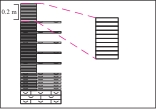 | 3.00 ~ 6.00 | 0.010 ~ 0.100 | 60 ~ 65 | > 1.5 | > 70 | > 1.5 | |
| Ⅲ | > 15 | B (页岩与介壳层互层) | 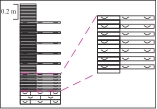 | 2.00 ~ 5.00 | 0.010 ~ 0.100 | 60 ~ 65 | 1.0 ~ 1.5 | < 70 | 1.0 ~ 1.5 |
| Ⅳ | > 10 | A (块状介壳灰岩) | 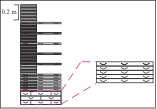 | < 2.00 | < 0.010 | > 65 | < 1.0 | — | < 1.0 |
| [1] | 贾承造. 论非常规油气对经典石油天然气地质学理论的突破及意义[J]. 石油勘探与开发, 2017, 44(1): 1-11. |
| JIA Chengzao. Breakthrough and significance of unconventional oil and gas to classical petroleum geological theory[J]. Petroleum Exploration and Development, 2017, 44(1): 1-11. | |
| [2] | 贾承造, 庞雄奇, 宋岩. 全油气系统理论基本原理[J]. 石油勘探与开发, 2024, 51(4): 679-691. |
| JIA Chengzao, PANG Xiongqi, SONG Yan. Basic principles of the whole petroleum system[J]. Petroleum Exploration and Development, 2024, 51(4): 679-691. | |
| [3] | 支东明, 谢安, 杨帆, 等. 准噶尔盆地东部二叠系富烃凹陷全油气系统勘探前景[J]. 地质力学学报, 2024, 30(5): 781-794. |
| ZHI Dongming, XIE An, YANG Fan, et al. Exploration prospects of the whole oil and gas system in the Permian hydrocarbon depressions in the eastern Junggar Basin[J]. Journal of Geomechanics, 2024, 30(5): 781-794. | |
| [4] | 支东明, 李建忠, 杨帆, 等. 吐哈盆地台北凹陷侏罗系煤系全油气系统特征[J]. 石油勘探与开发, 2024, 51(3): 453-466. |
| ZHI Dongming, LI Jianzhong, YANG Fan, et al. Whole petroleum system in Jurassic coal measures of Taibei Sag in Tuha Basin, NW China[J]. Petroleum Exploration and Development, 2024, 51(3): 453-466. | |
| [5] | 刘国勇, 吴松涛, 伍坤宇, 等. 柴达木盆地西部坳陷古近系全油气系统特征与油气成藏模式[J]. 石油勘探与开发, 2024, 51(5): 951-961. |
| LIU Guoyong, WU Songtao, WU Kunyu, et al. Characteristics and hydrocarbon accumulation model of Paleogene whole petroleum system in western depression of Qaidam Basin, NW China[J]. Petroleum Exploration and Development, 2024, 51(5): 951-961. | |
| [6] | 姜福杰, 贾承造, 庞雄奇, 等. 鄂尔多斯盆地上古生界全油气系统成藏特征与天然气富集地质模式[J]. 石油勘探与开发, 2023, 50(2): 250-261. |
| JIANG Fujie, JIA Chengzao, PANG Xiongqi, et al. Upper Paleozoic total petroleum system and geological model of natural gas enrichment in Ordos Basin, NW China[J]. Petroleum Exploration and Development, 2023, 50(2): 250-261. | |
| [7] | 郭旭升, 黄仁春, 张殿伟, 等. 四川盆地海相碳酸盐岩全油气系统成藏特征与有序分布规律[J]. 石油勘探与开发, 2024, 51(4): 743-758. |
| GUO Xusheng, HUANG Renchun, ZHANG Dianwei, et al. Hydrocarbon accumulation and orderly distribution of whole petroleum system in marine carbonate rocks of Sichuan Basin, SW China[J]. Petroleum Exploration and Development, 2024, 51(4): 743-758. | |
| [8] | 白雪峰, 陆加敏, 李军辉, 等. 松辽盆地北部全油气系统成藏模式与勘探潜力[J]. 大庆石油地质与开发, 2024, 43(3): 49-61. |
| BAI Xuefeng, LU Jiamin, LI Junhui, et al. Hydrocarbon accumulation patterns and exploration potential of whole petroleum systems in northern Songliao Basin[J]. Petroleum Geology & Oilfield Development in Daqing, 2024, 43(3): 49-61. | |
| [9] | 文龙, 张本健, 金值民, 等. 四川盆地陆相全油气系统成藏序列与勘探领域[J]. 石油勘探与开发, 2024, 51(5): 997-1007. |
| WEN Long, ZHANG Benjian, JIN Zhimin, et al. Accumulation sequence and exploration domain of continental whole petroleum system in Sichuan Basin, SW China[J]. Petroleum Exploration and Development, 2024, 51(5): 997-1007. | |
| [10] | 庞雄奇, 贾承造, 宋岩, 等. 全油气系统定量评价: 方法原理与实际应用[J]. 石油学报, 2022, 43(6): 727-759. |
| PANG Xiongqi, JIA Chengzao, SONG Yan, et al. Quantitative evaluation of whole petroleum system: Principle and application[J]. Acta Petrolei Sinica, 2022, 43(6): 727-759. | |
| [11] | 宋岩, 贾承造, 姜林, 等. 全油气系统内涵与研究思路[J]. 石油勘探与开发, 2024, 51(6): 1199-1210, 1226. |
| SONG Yan, JIA Chengzao, JIANG Lin, et al. Connotation and research strategy of the whole petroleum system[J]. Petroleum Exploration and Development, 2024, 51(6): 1199-1210, 1226. | |
| [12] | 刘树根, 邓宾, 孙玮, 等. 四川盆地: 周缘活动主控下形成的叠合盆地[J]. 地质科学, 2018, 53(1): 308-326. |
| LIU Shugen, DENG Bin, SUN Wei, et al. Sichuan Basin: A superimposed sedimentary basin mainly controlled by its peripheric tectonics[J]. Chinese Journal of Geology, 2018, 53(1): 308-326. | |
| [13] | LI Shuangjian, SUN Wei, LI Yingqiang, et al. Hydrocarbon Accumulation Conditions and Exploration Targets of the Sinian Dengying Formation in the Southeastern Sichuan Basin[J]. Energy Geoscience, 2023c, 4(3): 100154. |
| [14] | 刘君龙, 纪友亮, 杨克明, 等. 川西须家河组前陆盆地构造层序及沉积充填响应特征[J]. 中国石油大学学报(自然科学版), 2015, 39(6): 11-23. |
| LIU Junlong, JI Youliang, YANG Keming, et al. Tectono-stratigraphy and sedimentary infill characteristics of Xujiahe Formation in western Sichuan foreland basin[J]. Journal of China University of Petroleum (Edition of Natural Science), 2015, 39(6): 11-23. | |
| [15] | 郭旭升, 马晓潇, 黎茂稳, 等. 陆相页岩油富集机理探讨[J]. 石油与天然气地质, 2023, 44(6): 1333-1349. |
| GUO Xusheng, MA Xiaoxiao, LI Maowen, et al. Mechanisms for lacustrine shale oil enrichment in Chinese sedimentary basins[J]. Oil & Gas Geology, 2023, 44(6): 1333-1349. | |
| [16] | WANG Hongyan, SHI Zhensheng, YANG Xi, et al. A Model for Predicting Marine Shale Gas Sweet Spots Based on Relative Sea-Level Changes and Its Application[J]. Energy Geoscience, 2025b, 6(2): 100392. |
| [17] | CHEN Ya’na, YANG Kai, WU Wei, et al. Favorable Lithofacies and Pore Characteristics of the Permian Longtan Formation Shale in the Southern Sichuan Basin[J]. Energy Geoscience, 2023b, 4(3): 100193. |
| [18] | 杨跃明, 王小娟, 陈双玲, 等. 四川盆地中部地区侏罗系沙溪庙组沉积体系演化及砂体发育特征[J]. 天然气工业, 2022, 42(1): 12-24. |
| YANG Yueming, WANG Xiaojuan, CHEN Shuangling, et al. Sedimentary system evolution and sandbody development characteristics of Jurassic Shaximiao Formation in the central Sichuan Basin[J]. Natural Gas Industry, 2022, 42(1): 12-24. | |
| [19] | 潘辉, 蒋裕强, 朱讯, 等. 河流相致密砂岩气地质甜点评价——以四川盆地川中地区侏罗系沙溪庙组二段1亚段为例[J]. 石油与天然气地质, 2024, 45(2): 471-485. |
| PAN Hui, JIANG Yuqiang, ZHU Xun, et al. Evaluation of geological sweet spots in fluvial tight sandstone gas: A case study of the first submember of the second member of the Jurassic Shaximiao Formation, central Sichuan Basin[J]. Oil & Gas Geology, 2024, 45(2): 471-485. | |
| [20] | 王小娟, 潘珂, 曹正林, 等. 四川盆地天府气田沙溪庙组中浅层天然气成藏特征与差异富集规律[J]. 中国石油大学学报(自然科学版), 2024, 48(6): 25-36. |
| WANG Xiaojuan, PAN Ke, CAO Zhenglin, et al. Reservoir-forming characteristics and differential enrichment law of middle-shallow natural gas of Shaximiao Formation in Tianfu gas field in Sichuan Basin[J]. Journal of China University of Petroleum (Edition of Natural Science), 2024, 48(6): 25-36. | |
| [21] | 赵圣贤, 刘勇, 李博, 等. 四川盆地泸州区块五峰组-龙马溪组页岩气储层孔隙连通性特征及模式[J]. 石油与天然气地质, 2024, 45(6): 1720-1735. |
| ZHAO Shengxian, LIU Yong, LI Bo, et al. Characteristics and patterns of the pore connectivity in shale gas reservoirs in the Wufeng-Longmaxi formations, Luzhou block, Sichuan Basin[J]. Oil & Gas Geology, 2024, 45(6): 1720-1735. | |
| [22] | 刘子驿, 陈冬霞, 雷文智, 等. 川中侏罗系大安寨二亚段页岩油富集有利岩性组合[J]. 石油实验地质, 2024, 46(6): 1240-1252. |
| LIU Ziyi, CHEN Dongxia, LEI Wenzhi, et al. Favorable lithologic combinations for shale oil enrichment in the second submember of Da’anzhai Member, Jurassic, central Sichuan Basin[J]. Petroleum Geology and Experiment, 2024, 46(6): 1240-1252. | |
| [23] | 熊亮, 董晓霞, 王同, 等. 川北地区下侏罗统大安寨段陆相页岩油勘探方向再认识[J]. 石油实验地质, 2024, 46(5): 989-1001. |
| XIONG Liang, DONG Xiaoxia, WANG Tong, et al. Reassessment of exploration directions of continental shale oil in Lower Jurassic Da’anzhai Member in northern Sichuan Basin[J]. Petroleum Geology & Experiment, 2024, 46(5): 989-1000. | |
| [24] | 刘忠宝. 四川盆地自流井组页岩油气地质特征及富集规律[J]. 世界石油工业, 2024, 31(3): 35-47. |
| LIU Zhongbao. Geological characteristics and enrichment regular patterns of shale oil and gas at Ziliujing Formation in Sichuan Basin[J]. World Petroleum Industry, 2024, 31(3): 35-47. | |
| [25] | 蒋奇君, 李勇, 肖正录, 等. 川中地区大安寨段页岩热演化史及油气地质意义[J]. 新疆石油地质, 2024, 45(3): 262-270. |
| JIANG Qijun, LI Yong, XIAO Zhenglu, et al. Thermal evolution history of shale in Da’anzhai member and its petroleum geological significance in central Sichuan Basin[J]. Xinjiang Petroleum Geology, 2024, 45(3): 262-270. | |
| [26] | PANG Xiongqi. Quantitative evaluation of the whole petroleum system: Hydrocarbon thresholds and their application[M]. Singapore: Springer, 2023. |
| [27] | 金之钧, 张谦, 朱如凯, 等. 中国陆相页岩油分类及其意义[J]. 石油与天然气地质, 2023, 44(4): 801-819. |
| JIN Zhijun, ZHANG Qian, ZHU Rukai, et al. Classification of lacustrine shale oil reservoirs in China and its significance[J]. Oil & Gas Geology, 2023, 44(4): 801-819. | |
| [28] | 李阳, 赵清民, 吕琦, 等. 中国陆相页岩油开发评价技术与实践[J]. 石油勘探与开发, 2022, 49(5): 955-964. |
| LI Yang, ZHAO Qingmin, Qi LYU, et al. Evaluation technology and practice of continental shale oil development in China[J]. Petroleum Exploration and Development, 2022, 49(5): 955-964. | |
| [29] | 刘惠民. 济阳坳陷古近系页岩油地质特殊性及勘探实践——以沙河街组四段上亚段—沙河街组三段下亚段为例[J]. 石油学报, 2022, 43(5): 581-594. |
| LIU Huimin. Geological particularity and exploration practice of Paleogene shale oil in Jiyang depression: A case study of the upper submember of member 4 to the lower submember of member 3 of Shahejie Formation[J]. Acta Petrolei Sinica, 2022, 43(5): 581-594. |
| [1] | Xiongqi PANG, Xinxuan CUI, Chengzao JIA, Liyin BAO, Caijun LI, Maowen LI, Zhi XU, Huiyi XIAO, Dingye ZHENG, Yujie JIN, Kanyuan SHI, Sijia ZHANG. Challenges and solutions in the application of the whole petroleum system theory [J]. Oil & Gas Geology, 2025, 46(4): 1039-1054. |
| [2] | Chengzao JIA, Xiongqi PANG, Yan SONG, Xinxuan CUI, Yao HU, Zhi XU, Lin JIANG, Tingyu PU, Fujie JIANG, Bin SHEN. Four basic types of whole petroleum systems and their major plays [J]. Oil & Gas Geology, 2025, 46(4): 1019-1038. |
| [3] | Keyu LIU, Sijia ZHANG, Jianliang LIU, Zhencheng ZHAO, Yujie JIN, Ting ZHANG, Hao LIN. The whole petroleum system: An emerging direction for petroleum geology and an innovative paradigm for oil and gas exploration [J]. Oil & Gas Geology, 2025, 46(4): 1055-1070. |
| [4] | Junqing CHEN, Chengzao JIA, Lin JIANG, Hong PANG, Xungang HUO, Dongxia CHEN, Kanyuan SHI, Tao HU, Xiaobin YANG, Jun RAN. Major types and quantitative characterization of self-sealing during the accumulation of unconventional hydrocarbons in the whole petroleum system [J]. Oil & Gas Geology, 2025, 46(4): 1071-1091. |
| [5] | Huiyi XIAO, Xiongqi PANG, Caijun LI, Tao HU, Zhi XU, Xiaofei LIN, Yao HU, Lei WANG, Xinxuan CUI, Kanyuan SHI, Tingyu PU, Liyin BAO. Mechanisms and models of conversion between conventional and unconventional hydrocarbon reservoirs during the formation and evolution of the whole petroleum system [J]. Oil & Gas Geology, 2025, 46(4): 1092-1106. |
| [6] | Tao HU, Zhiming XIONG, Huiyi XIAO, Tianwu XU, Yunlong XU, Sumei LI, Fujue JIANG, Maowen LI, Lin JIANG. Ordered distribution and differential hydrocarbon enrichment mechanisms of hydrocarbon reservoirs in the whole petroleum system of lacustrine rift basin: A case study of the Paleogene Shahejie Formation, Dongpu Sag, Bohai Bay Basin [J]. Oil & Gas Geology, 2025, 46(4): 1169-1182. |
| [7] | Sumei LI, Jia LIU, Xuefeng MA, Qiuju PANG, Zhifei ZHAO. Characteristics and exploration potential of the whole petroleum system in the Western Sag, Liaohe Depression, Bohai Bay Basin [J]. Oil & Gas Geology, 2025, 46(4): 1183-1199. |
| [8] | Yao HU, Chengzao JIA, Xiongqi PANG, Yong SONG, Wenjun HE, Hongfei CHEN, Liyin BAO, Weiyan CHEN, Wen ZHAO, Huiyi XIAO, Caijun LI, Zhi XU. Hydrocarbon migration and accumulation dynamics and model of distal tight hydrocarbon reservoirs: A case study of sandy conglomerate oil reservoirs in the Triassic Baikouquan Formation, Mahu Sag, Junggar Basin [J]. Oil & Gas Geology, 2025, 46(4): 1281-1298. |
| [9] | Yujie JIN, Lei WANG, Xiongqi PANG, Junqing CHEN, Xianjun ZHANG, Fujie JIANG, Baoxin CHEN. Multi-sourced composite hydrocarbon accumulation and ordered distribution pattern of the whole petroleum system in the Southwestern Depression, Tarim Basin [J]. Oil & Gas Geology, 2025, 46(4): 1316-1332. |
| [10] | Bo Shen, Gang Wang, Haitang Fan, Jinfeng Zhang, Yanpu Li. A new method for porosity prediction based on variable matrix parameters [J]. Oil & Gas Geology, 2022, 43(3): 711-716. |
| [11] | Wang Guoting, Jia Ailin, Yan Haijun, Guo Zhi, Meng Dewei, Cheng Lihua. Characteristics and recoverability evaluation on the potential reservoir in Sulige tight sandstone gas field [J]. Oil & Gas Geology, 2017, 38(5): 896-904. |
| [12] | Li Jun, Lu Jing, Li Zheng, Wu Qingzhao, Nan Zeyu. ‘Four-pore’modeling and its quantitative logging description of shale gas reservoir [J]. Oil & Gas Geology, 2014, 35(2): 266-271. |
| [13] | Zheng Lei, Jin Zhijun, Zhang Shaonan. Features and evaluation of the Palaeozoic tight sandstone reservoirs of the Rub Al Khali Basin in the Middle East [J]. Oil & Gas Geology, 2013, 34(4): 475-482. |
| [14] | Zhu Wei, Gu Shaoqiu, Cao Zijian, Zhang Guoyi. Fuzzy mathematics-based reservoir evaluation in the southeastern Pre-Caspian Basin [J]. Oil & Gas Geology, 2013, 34(3): 357-362. |
| [15] | Xiao Dianshi, Lu Shuangfang, Chen Haifeng, Lu Yanping, Li Zhandong, Zhou Juan. Logging data normalization based on frequency spectral decomposition [J]. Oil & Gas Geology, 2013, 34(1): 129-136. |
| Viewed | ||||||
|
Full text |
|
|||||
|
Abstract |
|
|||||
