

Oil & Gas Geology ›› 2025, Vol. 46 ›› Issue (2): 377-391.doi: 10.11743/ogg20250204
• Petroleum Geology • Previous Articles Next Articles
Jinbao DUAN1,2( ), Tianwu XU3(), Dongdong YANG3, Zhenxue JIANG1, Yongtao GAO3, Debo WANG3, Lu LI3, Bo YUAN2
Received:2025-01-21
Revised:2025-03-31
Online:2025-04-30
Published:2025-04-27
Contact:
Tianwu XU
E-mail:jbduan@126.com;359329306@qq.com
CLC Number:
Jinbao DUAN, Tianwu XU, Dongdong YANG, Zhenxue JIANG, Yongtao GAO, Debo WANG, Lu LI, Bo YUAN. New insights and exploration breakthroughs in hydrocarbon exploration in sub-sag zones of the Dongpu Sag, Bohai Bay Basin[J]. Oil & Gas Geology, 2025, 46(2): 377-391.
Add to citation manager EndNote|Reference Manager|ProCite|BibTeX|RefWorks
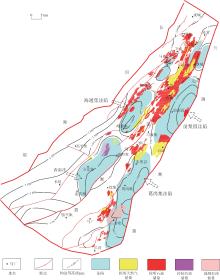
Fig.1
Map showing the exploration status-quo in the sub-sag zone of the Dongpu Sag"


Fig.2
Characteristics of source rocks in the Dongpu Sag"
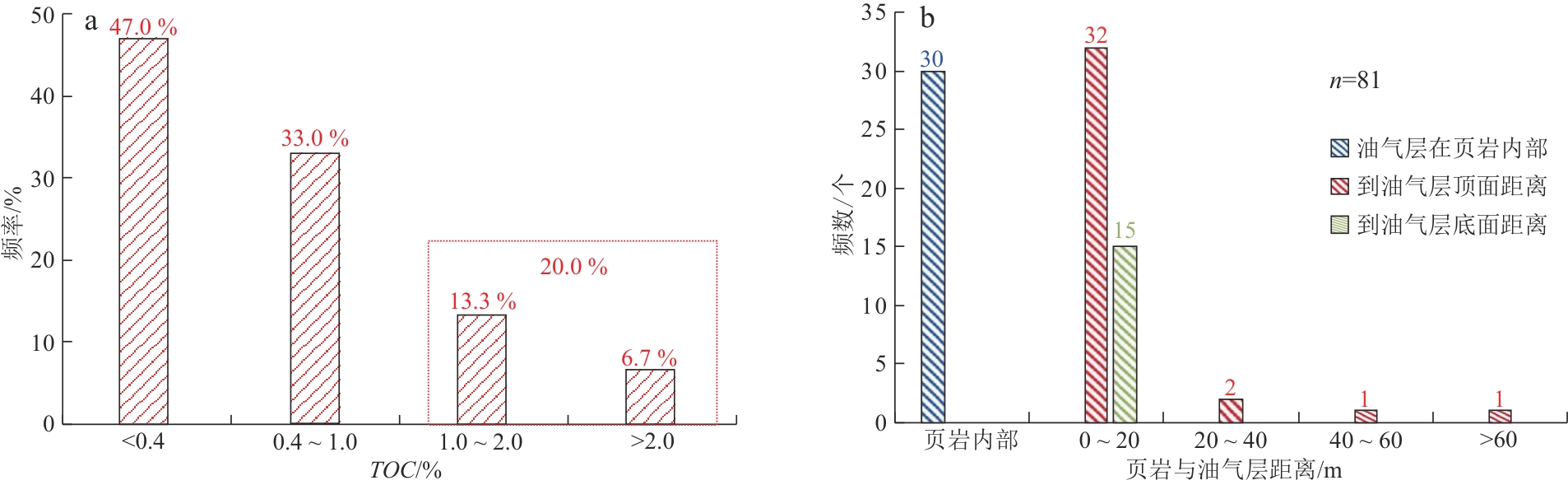
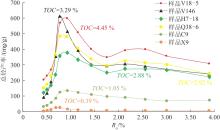
Fig.3
Results of gold tube pyrolysis experiment for simulating hydrocarbon generation of sources rock samples with varying organic matter abundance from the Dongpu Sag"
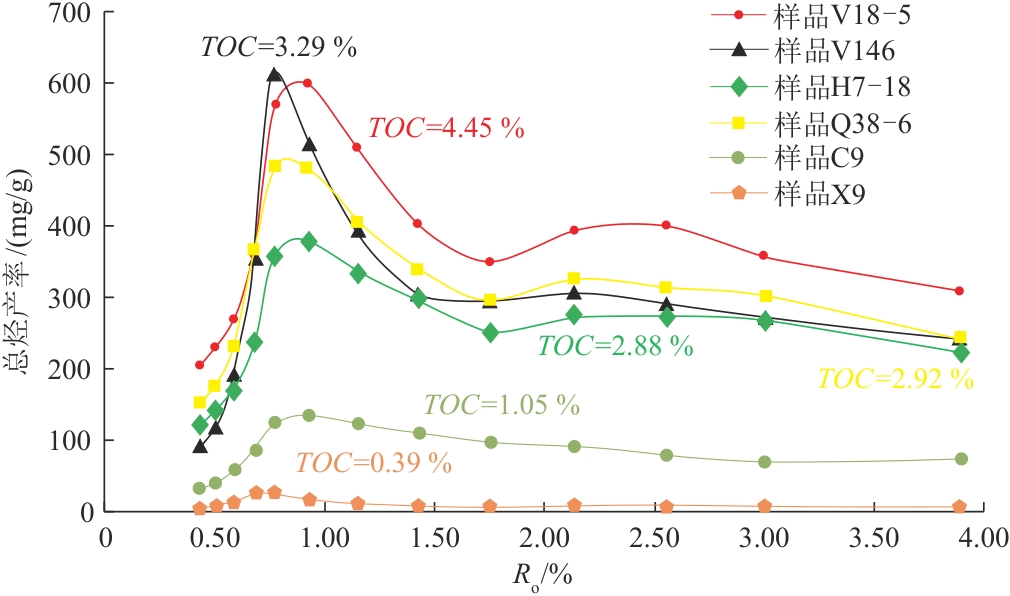
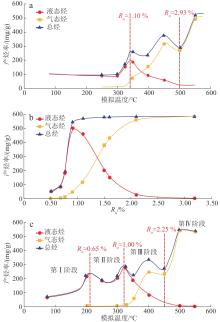
Fig. 4
Hydrocarbon generation simulation characteristics of source rocks formed in settings with varying salinities in the Dongpu Sag (modified after reference [52])"
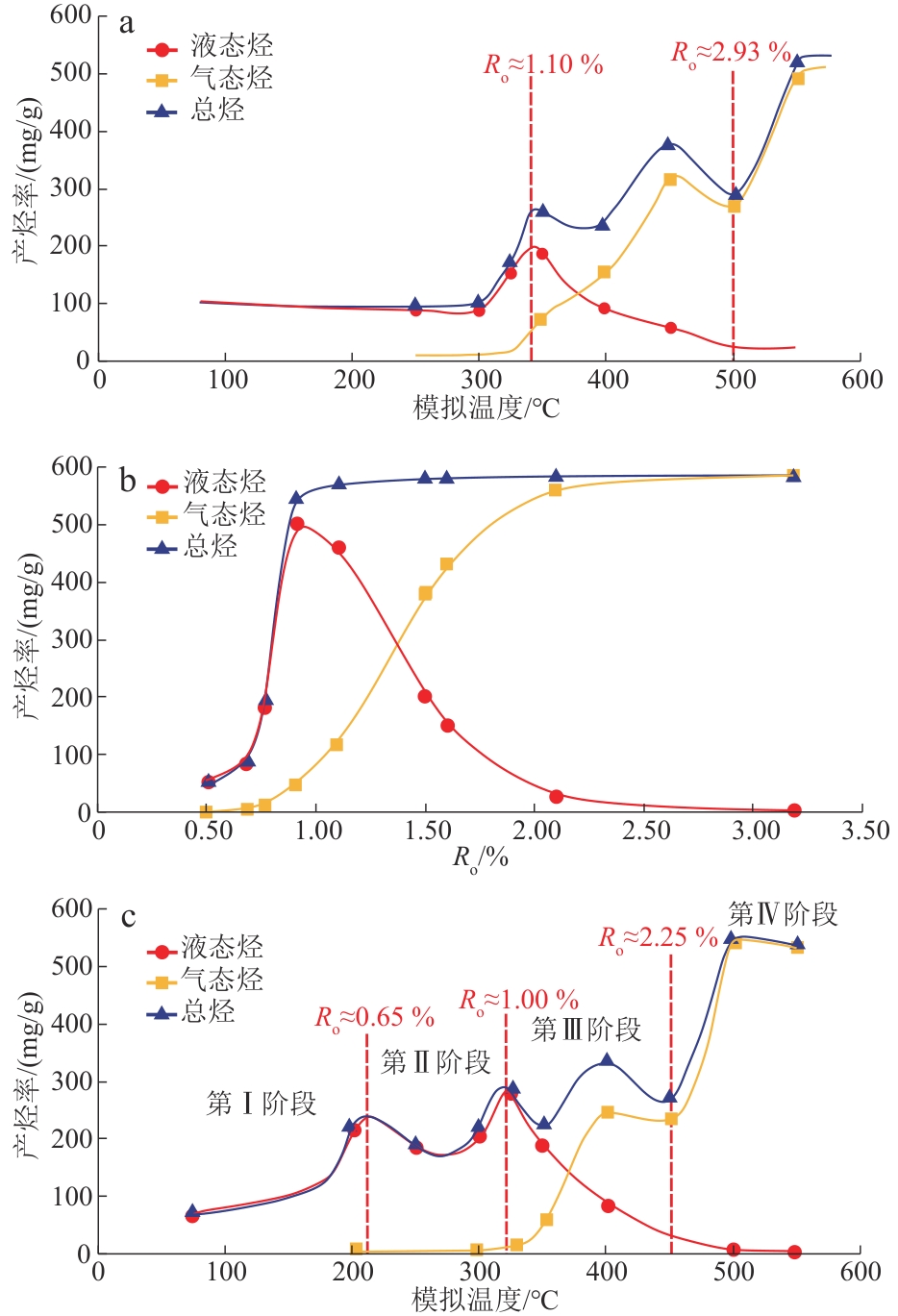

Fig. 5
Diagrams showing the developmental patterns of effective source rocks in different types of sub-sags in the Dongpu Sag"

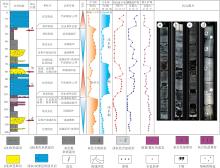
Fig.6
Column showing the frequent alternation of deep- and shallow-water environments in the Dongpu Sag"

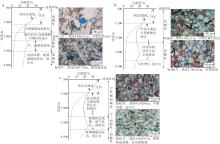
Fig.7
Diagrams showing the characteristics and pore evolutionary patterns of reservoirs in different types of sub-sags in the Dongpu Sag"


Fig.8
Oil and gas reservoir profile of Gegangji subsag of the southwest subsag belt in Dongpu sag"

| 1 | 宋岩, 贾承造, 姜林, 等. 全油气系统内涵与研究思路[J]. 石油勘探与开发, 2024, 51(6): 1199-1210, 1226. |
| SONG Yan, JIA Chengzao, JIANG Lin, et al. Connotation and research strategy of the whole petroleum system[J]. Petroleum Exploration and Development, 2024, 51(6): 1199-1210, 1226. | |
| 2 | 刘国勇, 薛建勤, 吴松涛, 等. 柴达木盆地柴西坳陷古近系-新近系石油地质特征与油气环带状分布模式[J]. 石油与天然气地质, 2024, 45(4): 1007-1017. |
| LIU Guoyong, XUE Jianqin, WU Songtao, et al. Petroleum geology and ring-shaped distribution of the Paleogene-Neogene hydrocarbon resources in western Qaidam Depression, Qaidam Basin[J]. Oil & Gas Geology, 2024, 45(4): 1007-1017. | |
| 3 | 庞雄奇, 贾承造, 宋岩, 等. 全油气系统定量评价: 方法原理与实际应用[J]. 石油学报, 2022, 43(6): 727-759. |
| PANG Xiongqi, JIA Chengzao, SONG Yan, et al. Quantitative evaluation of whole petroleum system: Principle and application[J]. Acta Petrolei Sinica, 2022, 43(6): 727-759. | |
| 4 | 贾承造, 庞雄奇, 宋岩. 全油气系统理论基本原理[J]. 石油勘探与开发, 2024, 51(4): 679-691. |
| JIA Chengzao, PANG Xiongqi, SONG Yan. Basic principles of the whole petroleum system[J]. Petroleum Exploration and Development, 2024, 51(4): 679-691. | |
| 5 | 赵靖舟, 孟选刚, 韩载华. 近源成藏——来自鄂尔多斯盆地延长组湖盆东部 “边缘” 延长组6段原油的地球化学证据[J]. 石油学报, 2020, 41(12): 1513-1526. |
| ZHAO Jingzhou, MENG Xuangang, HAN Zaihua. Near-source hydrocarbon accumulation: Geochemical evidence of lacustrine crude oil from the Member 6 of Yanchang Formation, eastern margin of Ordos Basin[J]. Acta Petrolei Sinica, 2020, 41(12): 1513-1526. | |
| 6 | 赵文智, 邹才能, 汪泽成, 等. 富油气凹陷 “满凹含油” 论——内涵与意义[J]. 石油勘探与开发, 2004, 31(2): 5-13. |
| ZHAO Wenzhi, ZOU Caineng, WANG Zecheng, et al. The intension and signification of “Sag-Wide Oil-Bearing Theory” in the hydrocarbon-rich depression with terrestrial origin[J]. Petroleum Exploration and Development, 2004, 31(2): 5-13. | |
| 7 | 张宏国, 杨海风, 宿雯, 等. 源外层系油气运聚关键环节研究与评价方法——以渤海湾盆地渤中凹陷明化镇组下段为例[J]. 石油与天然气地质, 2024, 45(1): 281-292. |
| ZHANG Hongguo, YANG Haifeng, SU Wen, et al. Key stages in hydrocarbon migration and accumulation in layers outside source rocks and theevaluation methods related: A case study of the lower member of the Minghuazhen Formation,Bozhong Sag,Bohai Bay Basin[J]. Oil & GasGeology, 2024, 45(1): 281-292. | |
| 8 | 肖正录, 李勇, 喻健, 等. 致密油“近源成藏”关键地球化学证据——以鄂尔多斯盆地延长组近源组合为例[J]. 石油实验地质, 2023, 45(3): 517-527. |
| XIAO Zhenglu, LI Yong, YU Jiang, et al. Key geochemical evidence of “near-source accumulation” of tight oil:a case study of near-source assemblage of Triassic Yanchang Formation in Ordos Basin[J]. Petroleum Geology & Experiment, 2023, 45(3): 517-527. | |
| 9 | 杨智, 邹才能. 论常规—非常规油气有序 “共生富集”——兼论常规—非常规油气地质学理论技术[J]. 地质学报, 2022, 96(5): 1635-1653. |
| YANG Zhi, ZOU Caineng. Orderly “symbiotic enrichment” of conventional & unconventional oil and gas——discussion on theory and technology of conventional & unconventional petroleum geology[J]. Acta Geologica Sinica, 2022, 96(5): 1635-1653. | |
| 10 | 王飞宇, 冯伟平, 庞雄奇, 等. 全油气系统生、排烃和运聚定量分析中的关键问题与解决途径[J]. 石油学报, 2023, 44(9): 1434-1444. |
| WANG Feiyu, FENG Weiping, PANG Xiongqi, et al. Key problems and solutions in quantitative analysis of hydrocarbon generation, expulsion, migration and accumulation in whole petroleum system[J]. Acta Petrolei Sinica, 2023, 44(9): 1434-1444. | |
| 11 | 刘佳庚, 王艳忠, 操应长, 等. 渤海湾盆地东营凹陷民丰洼陷陡坡带深层-超深层碎屑岩优质储层控制因素[J]. 石油与天然气地质, 2023, 44(5): 1203-1217. |
| LIU Jiageng, WANG Yanzhong, CAO Yingchang, et al. Factors controlling the development of deep and ultra-deep coarse-grained siliciclastic reservoirs with high quality in the steep slope zone of the Minfeng sub-sag, Dongying Sag, Bohai Bay Basin[J]. Oil & Gas Geology, 2023, 44(5): 1203-1217. | |
| 12 | 史原鹏, 刘占国, 王少春, 等. 深层—超深层优质碎屑岩储层成因及主控因素——以河套盆地临河坳陷古近系渐新统临河组为例[J]. 石油勘探与开发, 2024, 51(3): 478-489. |
| SHI Yuanpeng, LIU Zhanguo, WANG Shaochun, et al. Genetic mechanism and main controlling factors of high-quality clastic rock reservoirs in deep and ultra-deep layers: A case study of Oligocene Linhe Formation in Linhe Depression, Hetao Basin, NW China[J]. Petroleum Exploration and Development, 2024, 51(3): 478-489. | |
| 13 | 马永坤, 徐乐意, 孙辉, 等. 珠江口盆地白云凹陷储层成岩特征及中深层储层勘探潜力[J]. 吉林大学学报(地球科学版), 2024, 54(6): 1940-1950. |
| MA Yongkun, XU Leyi, SUN Hui, et al. Diagenetic Characteristics of Reservoir sand Middle-Deep Reservoirs Exploration Potential in Baiyun Sag,Pearl River Mouth Basin. Journal of Jilin University (Earth Science Edition), 2024, 54(6):1940-1950. | |
| 14 | 孙靖, 尤新才, 薛晶晶, 等. 准噶尔盆地深层-超深层碎屑岩致密气储层特征及其控制因素[J]. 石油与天然气地质, 2024, 45(4): 1046-1063. |
| SUN Jing, YOU Xincai, XUE Jingjing, et al. Characteristics and controlling factors of deep to ultra-deep tight-gas clastic reservoirs in the JunggarBasin[J]. Oil & Gas Geology, 2024, 45(4): 1046-1063. | |
| 15 | 王永诗, 张顺. 渤海湾盆地沾化凹陷渤南洼陷古近系深层优质储层形成机制[J]. 石油实验地质, 2023, 45(1): 11-19. |
| WANG Yongshi, ZHANG Shun. Formation mechanism of high-quality reservoirs in deep strata of Paleogene,Bonan Subsag,Zhanhua Sag,Bohai Bay Basin[J]. Petroleum Geology & Experiment, 2023, 45(1): 11-19. | |
| 16 | 白雪峰, 陆加敏, 李军辉, 等. 松辽盆地北部全油气系统成藏模式与勘探潜力[J]. 大庆石油地质与开发, 2024, 43(3): 49-61. |
| BAI Xufeng, LU Jiamin, LI Junhui, et al. Hydrocarbon accumulation patterns and exploration potential of whole petroleum systems in northern Songliao Basin[J]. Petroleum Geology & Oilfield Development in Daqing, 2024, 43(3):49-61. | |
| 17 | 牛成民, 惠冠洲, 杜晓峰, 等. 辽中凹陷西斜坡古近系东三段湖底扇发育模式及大油田发现[J]. 岩性油气藏, 2024, 36(2): 33-42. |
| NIU Chengmin, HUI Guanzhou, DU Xiaofeng, et al. Sedimentary model of sublacustrine fan of the third member of Paleo-gene Dongying Formation and large-scale oilfield discovered in western slope of Liaozhong Sag[J]. Lithologic Reservoirs, 2024, 36(2): 33-42. | |
| 18 | 窦立荣, 李志, 杨紫, 等. 中国石油海外岩性地层油气藏勘探进展与前景展望[J]. 岩性油气藏, 2023, 35(6): 1-9. |
| DOU Lirong, LI Zhi, YANG Zi, et al. Exploration progress and outlook for lithostratigraphic reservoirs of CNPC overseas[J]. Lithologic Reservoirs, 2023, 35(6): 1-9. | |
| 19 | 刘斯亮, 薛永安, 吕丁友, 等. 深层古近系“汇聚脊”对浅层新近系油气聚集的控制作用——以渤海湾盆地环渤中地区为例[J]. 大庆石油地质与开发, 2024, 43(5): 42-53. |
| LIU Siliang, XUE Yong’an, Dingyou LÜ, et al. Control of deep Paleogene “catchment ridge” on shallow Neogene hydro-carbon accumulation: A case study around Bozhong area in Bohai Bay Basin[J]. Petroleum Geology & Oilfield Development in Daqing, 2024, 43(5): 42-53. | |
| 20 | 杨海风, 石文龙, 张中巧, 等. 莱州湾洼陷带浅层岩性油藏富集机理与亿吨级油田新发现——以垦利10-2油田为例[J]. 中国海上油气, 2024, 36(4): 23-36. |
| YANG Haifeng, SHI Wenlong, ZHANG Zhongqiao, et al. Enrichment mechanism of shallow lithologic reservoirs and newly discovered billion-ton oilfield in depression zone of Laizhou Bay Sag: A case study of KL10-2 Oilfield[J]. China Offshore Oil and Gas, 2024, 36(4): 23-36. | |
| 21 | 薛永安, 杨海风, 王航, 等. 渤海莱州湾凹陷深洼带垦利10-2新近系大型油田发现与意义[J]. 中国海上油气, 2022, 34(1): 17-26. |
| XUE Yongan, YANG Haifeng, WANG Hang, et al. Discovery and significance of KL10-2 Neogene large oilfield in deep subsag zone of Laizhouwan sag, Bohai sea[J]. China Offshore Oil and Gas, 2022, 34(1): 17-26. | |
| 22 | 刘庆顺, 杨海风, 郭涛, 等. 莱州湾凹陷垦利16油田混源油定量判析及勘探前景分析[J]. 特种油气藏, 2020, 27(5): 74-80. |
| LIU Qingshun, YANG Haifeng, GUO Tao, et al. Quantitative Judgment and Exploration Prospect Analysis of the Mixed-Source Oil of Kenli 16 Oilfield in Laizhouwan Sag[J]. Special Oil & Gas Reservoirs, 2020, 27(5): 74-80. | |
| 23 | 徐长贵, 于海波, 王军, 等. 渤海海域渤中19-6大型凝析气田形成条件与成藏特征[J]. 石油勘探与开发, 2019, 46(1): 25-38. |
| XU Changgui, YU Haibo, WANG Jun, et al. Formation conditions and accumulation characteristics of Bozhong 19-6 large condensate gas field in offshore Bohai Bay Basin[J]. Petroleum Exploration and Development, 2019, 46(1): 25-38. | |
| 24 | 施和生, 王清斌, 王军, 等. 渤中凹陷深层渤中19-6构造大型凝析气田的发现及勘探意义[J]. 中国石油勘探, 2019, 24(1): 36-45. |
| SHI Hesheng, WANG Qingbin, WANG Jun, et al. Discovery and exploration significance of large condensate gas fields in BZ19-6 structure in deep Bozhong sag[J]. China Petroleum Exploration, 2019, 24(1): 36-45. | |
| 25 | 牛成民, 王飞龙, 何将启, 等. 渤海海域渤中19-6潜山气藏成藏要素匹配及成藏模式[J]. 石油实验地质, 2021, 43(2): 259-267. |
| NIU Chengmin, WANG Feilong, HE Jiangqi, et al. Accumulation factor matching and model of Bozhong 19-6 buried hill gas reservoir,Bohai Sea area[J]. Petroleum Geology & Experiment, 2021, 43(2): 259-267. | |
| 26 | 薛永安, 王奇, 牛成民, 等. 渤海海域渤中凹陷渤中19-6深层潜山凝析气藏的充注成藏过程[J]. 石油与天然气地质, 2020, 41(5): 891-902. |
| XUE Yong’an, WANG Qi, NIU Chengmin, et al. Hydrocarbon charging and accumulation of BZ 19-6 gas condensate field in deep buried hills of Bozhong Depression, Bohai Sea[J]. Oil & Gas Geology, 2020, 41(5): 891-902. | |
| 27 | 仝志刚, 李友川, 何将启, 等. 渤海海域渤中凹陷渤中19-6大型凝析气田天然气来源探讨[J]. 石油实验地质, 2022, 44(2): 324-330, 336. |
| TONG Zhigang, LI Youchuan, HE Jiangqi, et al. Gas source of BZ19-6 condensate gas field in Bozhong Sag,Bohai Sea area[J]. Petroleum Geology & Experiment, 2022, 44(2): 324-330, 336. | |
| 28 | 杜涛, 曲希玉, 王清斌, 等. 渤中19-6凝析气田孔店组砂砾岩储层压实成岩裂缝垂向演化特征[J]. 吉林大学学报(地球科学版), 2023, 53(1): 17-29. |
| DU Tao, QU Xiyu, WANG Qingbin, et al. Vertical Evolution Characteristics of Compaction Diagenetic Fractures in Glutenite Reservoirs of Kongdian Formation in Bozhong 19-6 Condensate Gas Field[J]. Journal of Jilin University (Earth Science Edition),2023, 53(1): 17-29. | |
| 29 | 张锐锋, 何海清, 朱庆忠, 等. 渤海湾盆地保定凹陷东营组油气勘探重要发现与启示[J]. 中国石油勘探, 2023, 28(2): 11-23. |
| ZHANG Ruifeng, HE Haiqing, ZHU Qingzhong, et al. Major discovery and enlightenment from petroleum exploration of Dongying Formation in Baoding Sag, Bohai Bay Basin[J]. China Petroleum Exploration, 2023, 28(2): 11-23. | |
| 30 | 王永诗, 陈涛, 张鹏飞, 等. 济阳坳陷古近系轻质原油油藏勘探潜力与方向[J]. 石油学报, 2021, 42(12): 1605-1614. |
| WANG Yongshi, CHEN Tao, ZHANG Pengfei, et al. Exploration potential and direction of Palaeogene light crude oil reservoirs in Jiyang Depression[J]. Acta Petrolei Sinica, 2021, 42(12): 1605-1614. | |
| 31 | 刘惠民, 李军亮, 刘鹏, 等. 济阳坳陷古近系页岩油富集条件与勘探战略方向[J]. 石油学报, 2022, 43(12): 1717-1729. |
| LIU Huimin, LI Junliang, LIU Peng, et al. Enrichment conditions and strategic exploration direction of Paleogene shale oil in Jiyang Depression[J]. Acta Petrolei Sinica, 2022, 43(12): 1717-1729. | |
| 32 | 马晓潇, 黎茂稳, 胡克珍, 等. 渤海湾盆地济阳坳陷古近系异常高压成因及其与陆相页岩油富集的关系[J]. 石油实验地质, 2023, 45(1): 145-156. |
| MA Xiaoxiao, LI Maowen, HU Kezhen, et al. Abnormal pressure genesis and its relationship with continental shale oil accumulation in Paleogene, Jiyang Depression, Bohai Bay Basin[J]. Petroleum Geology & Experiment, 2023, 45(1): 145-156. | |
| 33 | 刘惠民, 李政, 包友书, 等. 渤海湾盆地济阳坳陷高产页岩油井BYP5页岩地质特征[J]. 石油与天然气地质, 2023, 44(6): 1405-1417. |
| LIU Huimin, LI Zheng, BAO Youshu, et al. Geology of shales in prolific shale-oil well BYP5 in the Jiyang Depression, Bohai Bay Basin[J]. Oil &Gas Geology, 2023, 44(6): 1405-1417. | |
| 34 | 刘惠民, 包友书, 黎茂稳, 等. 页岩油富集可动性地球化学评价参数探讨——以威利斯顿盆地Bakken组和渤海湾盆地济阳坳陷古近系沙河街组页岩为例[J]. 石油与天然气地质, 2024, 45(3): 622-636. |
| LIU Huimin, BAO Youshu, LI Maowen, et al. Geochemical parameters for evaluating shale oil enrichment and mobility: A case study of shales inthe Bakken Formation,Williston Basin and the Shahejie Formation,Jiyang Depression[J]. Oil & Gas Geology, 2024, 45(3): 622-636. | |
| 35 | 刘成龙, 王艳忠, 杨怀宇, 等. 高精度层序约束下三角洲-滩坝沉积体系精细刻画与岩性圈闭分布规律——以渤海湾盆地济阳坳陷东营凹陷南坡东段沙河街组四段上亚段为例[J]. 石油与天然气地质, 2024, 45(4): 1121-1141. |
| LIU Chenglong, WANG Yanzhong, YANG Huaiyu,et al. Fine characterization and lithologic trap distribution patterns of delta-beach barsedimentary system under high-precision sequence constraints: A case study of the upper submember of the 4th member of the Shahejie Formationin the eastern segment of the southern gentle slope of Dongying Sag,Jiyang Depression,Bohai Bay Basin[J]. Oil & Gas Geology, 2024, 45(4): 1121-1141. | |
| 36 | 雷文智, 陈冬霞, 王永诗, 等. 渤海湾盆地济阳坳陷东部深层砂砾岩多类型油气藏成藏机理及模式[J]. 石油与天然气地质, 2024, 45(1): 113-129. |
| LEI Wenzhi, CHEN Dongxia, WANG Yongshi, et al. Accumulation mechanism and model of multi-type deep coarse-grained siliciclasticreservoirs in the eastern Jiyang Depression,Bohai Bay Basin[J]. Oil & Gas Geology, 2024, 45(1): 113-129. | |
| 37 | 倪良田, 杜玉山, 蒋龙, 等. 渤海湾盆地济阳坳陷陆相断陷湖盆中-低成熟度页岩“富烃-成储-富集-高产”的理论认识与开发实践[J]. 石油与天然气地质, 2024, 45(5): 1417-1430. |
| NI Liangtian, DU Yushan, JIANG Long, et al. Medium-to-low maturity shales in the faulted lacustrine basin in Jiyang Depression, Bohai BayBasin: Theoretical understanding of their hydrocarbon generation,reservoir formation,and shale oil enrichment and high-yield nature andexploitation practices[J]. Oil & Gas Geology, 2024, 45(5): 1417-1430. | |
| 38 | 张洪安, 李素梅, 徐田武, 等. 东濮凹陷北部盐湖相原油特征与成因[J]. 现代地质, 2017, 31(4): 768-778. |
| ZHANG Hongan, LI Sumei, XU Tianwu, et al. Characteristics and formation mechanism for the saline lacustrine oil from the north Dongpu Sag[J]. Geoscience, 2017, 31(4): 768-778. | |
| 39 | 唐令, 庞雄奇, 徐田武, 等. 东濮凹陷古近系沙河街组烃源岩生烃底限及其差异探讨[J]. 天然气工业, 2017, 37(2): 26-37. |
| TANG Ling, PANG Xiongqi, XU Tianwu, et al. Hydrocarbon generation thresholds of Paleogene Shahejie Fm source rocks and their north-south differences in the Dongpu Sag, Bohai Bay Basin[J]. Natural Gas Industry, 2017, 37(2): 26-37. | |
| 40 | 胡涛. 东濮凹陷沙河街组连续型砂岩油气藏成因机制与发育模式[D]. 北京: 中国石油大学(北京), 2018. |
| HU Tao. Genetic mechanism and development model of continuous sandstone petroleum accumulation in the Shahejie Formation of Dongpu Depression[D]. Beijing: China University of Petroleum (Beijing), 2018. | |
| 41 | 徐田武, 张洪安, 李继东, 等. 渤海湾盆地东濮凹陷盐湖相成烃成藏特征[J]. 石油与天然气地质, 2019, 40(2): 248-261. |
| XU Tianwu, ZHANG Hongan, LI Jidong, et al. Characters of hydrocarbon generation and accumulation of salt-lake facies in Dongpu Sag, Bohai Bay Basin[J]. Oil & Gas Geology, 2019, 40(2): 248-261. | |
| 42 | 徐田武, 张成富, 吕立爽, 等. 形成规模油田成烃要素下限探讨——以东濮凹陷马寨油田为例[J]. 断块油气田, 2019, 26(2): 137-141. |
| XU Tianwu, ZHANG Chengfu, Lishuang LYU, et al. Lower limit discussion of hydrocarbon generation factor for large scale oilfield: Taking Mazhai Oilfield of Dongpu Depression as an example[J]. Fault-Block Oil and Gas Field, 2019, 26(2): 137-141. | |
| 43 | 谈玉明, 李红磊, 张云献, 等. 东濮凹陷古近系优质烃源岩特征与剩余资源潜力分析[J]. 断块油气田, 2020, 27(5): 551-555, 572. |
| TAN Yuming, LI Honglei, ZHANG Yunxian, et al. Analysis to high quality source rock characteristics and residual resource potential in Dongpu Sag in Paleogene[J]. Fault-Block Oil and Gas Field, 2020, 27(5): 551-555, 572. | |
| 44 | 徐田武, 张成富, 金爱民, 等. 东濮凹陷北部流体作用与油气运聚[J]. 断块油气田, 2022, 29(2): 152-156. |
| XU Tianwu, ZHANG Chengfu, JIN Aimin, et al. Fluid action and hydrocarbon migration and accumulation in the northern part of Dongpu Sag[J]. Fault-Block Oil and Gas Field, 2022, 29(2): 152-156. | |
| 45 | 高红灿, 陈发亮, 刘光蕊, 等. 东濮凹陷古近系沙河街组盐岩成因研究的进展、问题与展望[J]. 古地理学报, 2009, 11(3): 251-264. |
| GAO Hongcan, CHEN Faliang, LIU Guangrui, et al. Advances, problems and prospect in studies of origin of salt rocks of the Paleogene Shahejie Formation in Dongpu Sag[J]. Journal of Palaeogeography(Chinese Edition), 2009, 11(3): 251-264. | |
| 46 | 高红灿, 郑荣才, 陈发亮, 等. 渤海湾盆地东濮凹陷古近系沙河街组层序地层[J]. 石油与天然气地质, 2011, 32(6): 839-850. |
| GAO Hongcan, ZHENG Rongcai, CHEN Faliang, et al. Sequence stratigraphy of the Paleogene Shahejie Formation in Dongpu Sag, Bohai Bay Basin[J]. Oil & Gas Geology, 2011, 32(6): 839-850. | |
| 47 | 李健, 王德仁, 白兴盈. 东濮凹陷沙三3-4亚段层序地层与沉积体系分析[J]. 石油与天然气地质, 2001, 22(2): 161-164. |
| LI Jian, WANG Deren, BAI Xingying. Depositional system and sequence stratigraphy of S 3 3 - 4 submember in Dongpu Depression[J]. Oil & Gas Geology, 2001, 22(2): 161-164. | |
| 48 | 张洪安, 徐田武, 张云献. 东濮凹陷咸化湖盆优质烃源岩的发育特征及意义[J]. 断块油气田, 2017, 24(4): 437-441. |
| ZHANG Hongan, XU Tianwu, ZHANG Yunxian. Development characteristics and significance of high quality source rocks of salty lake in Dongpu Depression[J]. Fault-Block Oil and Gas Field, 2017, 24(4): 437-441. | |
| 49 | 王金萍, 黄泽贵, 张云献, 等. 东濮凹陷优质烃源岩的岩性特征及宏观展布规律[J]. 断块油气田, 2018, 25(5): 549-554. |
| WANG Jinping, HUANG Zegui, ZHANG Yunxian, et al. Lithological characteristics and macroscopic distribution rule of high-quality hydrocarbon source rocks in Dongpu Depression[J]. Fault-Block Oil and Gas Field, 2018, 25(5): 549-554. | |
| 50 | 李红磊, 张云献, 周勇水, 等. 东濮凹陷优质烃源岩生烃演化机理[J]. 断块油气田, 2020, 27(2): 143-148. |
| LI Honglei, ZHANG Yunxian, ZHOU Yongshui, et al. Hydrocarbon evolution mechanism of high quality source rock in Dongpu Sag[J]. Fault-Block Oil and Gas Field, 2020, 27(2): 143-148. | |
| 51 | 高玉巧, 何希鹏, 程熊, 等. 陆相咸化湖盆“低TOC”烃源岩高生烃效率探讨——以苏北盆地溱潼凹陷阜宁组二段泥页岩为例[J]. 油气藏评价与开发, 2024, 14(5): 678-687. |
| GAO Yuqiao, HE Xipeng, CHENG Xiong, et al. Discussion on high hydrocarbon generation efficiency of saline lacustrine source rocks with lowTOC: A case study of the second member of Funing Formation,Qintong Sag,Subei Basin[J]. Petroleum Reservoir Evaluation and Development, 2024, 14(5): 678-687. | |
| 52 | 徐田武, 张成富, 李红磊, 等. 不同环境下陆相页岩油气富集关键要素下限研究——以中原油田探区为例[J]. 断块油气田, 2022, 29(6): 721-728, 743. |
| XU Tianwu, ZHANG Chengfu, LI Honglei, et al. Research on lower limits of key factor controlling hydrocarbon accumulation of continental shale in different environments: Taking exploratory area of Zhongyuan oilfield as an example[J]. Fault-Block Oil and Gas Field, 2022, 29(6): 721-728, 743. | |
| 53 | 纪友亮, 赵澄林, 刘孟慧. 东濮凹陷沙河街组碎屑岩成岩作用与有机质演化的关系[J]. 石油与天然气地质, 1995, 16(2): 148-154, 205. |
| JI Youliang, ZHAO Chenglin, LIU Menghui. Diagenesis of clastic rocks in Shahejie Formation, Dongpu Depression and its relation to organic matter evolution[J]. Oil & Gas Geology, 1995, 16(2): 148-154, 205. | |
| 54 | 寿建峰, 袁政文. 东濮凹陷马厂地区渐新统沙河街组沙三(3) 亚段的成岩作用与油气关系[J]. 石油与天然气地质, 1990, 11(2): 187-194. |
| SHOU Jianfeng, YUAN Zhengwen. Diagenesis of Oligocene Sha-3(3) submember in Machang region, Dongpu Depression and its relation to hydrocarbon[J]. Oil & Gas Geology, 1990, 11(2): 187-194. | |
| 55 | 袁政文. 东濮凹陷低渗致密砂岩成因与深层气勘探[J]. 石油与天然气地质, 1993, 14(1): 14-22. |
| YUAN Zhengwen. Origin of lower permeability tight-sandstone and gas exploration in deep beds of Dongpu Depression[J]. Oil & Gas Geology, 1993, 14(1): 14-22. | |
| 56 | 焦大庆, 李梅, 慕小水, 等. 渤海湾盆地东濮凹陷南部地区古水动力演化与油气运聚[J]. 石油与天然气地质, 2014, 35(5): 585-594. |
| JIAO Daqing, LI Mei, MU Xiaoshui, et al. Evolution of paleo-hydrodynamics and hydrocarbon migration and accumulation in southern Dongpu Sag, Bohai Bay Basin[J]. Oil & Gas Geology, 2014, 35(5): 585-594. | |
| 57 | 李熙哲, 杨玉凤, 郭小龙, 等. 渤海湾盆地压力特征及超压带形成的控制因素[J]. 石油与天然气地质, 1997, 18(3): 68-74. |
| LI Xizhe, YANG Yufeng, GUO Xiaolong, et al. Pressure features and controlling factors of overpressure belt formation in Bohai Bay Basin[J]. Oil & Gas Geology, 1997, 18(3): 68-74. | |
| 58 | 万中华. 东濮凹陷濮卫地区盐湖相高压薄层油气藏成藏机理研究[D]. 北京: 中国石油大学(北京), 2017. |
| WAN Zhonghua. Formation mechanism of high-pressure thin reservoirs in the tertiary saline lacustrine facies in the Puwei area, Dongpu sag[D]. Beijing: China University of Petroleum(Beijing), 2017. | |
| 59 | 李小强, 赵彦超. 东濮凹陷柳屯洼陷盐湖盆地超压成因[J]. 石油与天然气地质, 2012, 33(5): 686-694. |
| LI Xiaoqiang, ZHAO Yanchao. Overpressure genesis in the Liutun salt-lake sag, Dongpu Depression, Bohai Bay Basin[J]. Oil & Gas Geology, 2012, 33(5): 686-694. | |
| 60 | 高志强. 东营凹陷超压系统与油气成藏关系[J]. 特种油气藏, 2024, 31(5): 67-76. |
| GAO Zhiqiang. The Relationship between overpressure systems and hydrocarbon accumulation in the Dongying Sag[J]. Special Oil & Gas Reservoirs, 2024, 31(5) :67-76. | |
| 61 | 鲁雪松, 蒋有录, 常振恒, 等. 东濮凹陷东营组地层剥蚀厚度估算及其意义[J]. 地质科技情报, 2007, 26(2): 8-12. |
| LU Xuesong, JIANG Youlu, CHANG Zhenheng, et al. Calculation of the erosion thickness of Dongying Formation in Dongpu Depression and its significance[J]. Geological Science and Technology Information, 2007, 26(2): 8-12. | |
| 62 | 蒋有录, 房磊, 谈玉明, 等. 渤海湾盆地东濮凹陷不同区带油气成藏期差异性及主控因素[J]. 地质论评, 2015, 61(6): 1321-1331. |
| JIANG Youlu, FANG Lei, TAN Yuming, et al. Differences and main controlling factors of accumulation periods in Dongpu Sag, Bohai Bay Basin[J]. Geological Review, 2015, 61(6): 1321-1331. | |
| 63 | 余海波, 程秀申, 徐田武, 等. 东濮凹陷古近纪盆地结构控烃控藏特征[J]. 现代地质, 2020, 34(6): 1119-1131. |
| YU Haibo, CHENG Xiushen, XU Tianwu, et al. Characteristics about hydrocarbon accumulation controlled by structure in Paleogene of Dongpu Sag[J]. Geoscience, 2020, 34(6): 1119-1131. | |
| 64 | 徐田武, 张洪安, 李令喜, 等. 不同沉积环境下陆相页岩储集特征差异性对比——以中原油田三大探区为例[J]. 断块油气田, 2023, 30(6): 895-904. |
| XU Tianwu, ZHANG Hongan, LI Lingxi, et al. Comparative study on the differences in reservoir characteristics of continental shale under different sedimentary environments: Taking the three major exploration areas of Zhongyuan Oilfield as an example[J]. Fault-Block Oil & Gas Field, 2023, 30(6): 895-904. | |
| 65 | 彭君, 孙宁亮, 鹿坤, 等. 东濮凹陷古近系沙河街组页岩油储层岩石学及微观孔隙结构特征[J]. 地学前缘, 2023, 30(4): 128-141. |
| PENG Jun, SUN Ningliang, LU Kun, et al. Shale oil reservoir of the Palaeogene Shahejie Formation in the Dongpu Sag: Petrology and pore microstructural characteristics[J]. Earth Science Frontiers, 2023, 30(4): 128-141. | |
| 66 | 徐云龙, 张洪安, 李继东, 等. 渤海湾盆地东濮凹陷陆相页岩层系储集特征及其主控因素[J]. 断块油气田, 2022, 29(6): 729-735. |
| XU Yunlong, ZHANG Hongan, LI Jidong, et al. Reservoir characteristics and its main controlling factors of continental shale strata in Dongpu Sag, Bohai Bay Basin[J]. Fault-Block Oil and Gas Field, 2022, 29(6): 729-735. | |
| 67 | 胡涛, 庞雄奇, 姜福杰, 等. 陆相断陷咸化湖盆有机质差异富集因素探讨 ——以东濮凹陷古近系沙三段泥页岩为例[J]. 沉积学报, 2021, 39(1): 140-152. |
| HU Tao, PANG Xiongqi, JIANG Fujie, et al. Factors controlling differential enrichment of organic matter in saline lacustrine rift basin: A case study of third member Shahejie Fm in Dongpu Depression[J]. Acta Sedimentologica Sinica, 2021, 39(1): 140-152. | |
| 68 | 国殿斌, 向才富, 蒋飞虎, 等. 东濮凹陷西南洼断层的油气输导作用与机理探讨[J]. 断块油气田, 2017, 24(2): 159-164. |
| GUO Dianbin, XIANG Caifu, JIANG Feihu, et al. Mechanism of hydrocarbon migration and accumulation in southwest sag of Dongpu Depression[J]. Fault-Block Oil and Gas Field, 2017, 24(2): 159-164. | |
| 69 | 汪超. 东濮凹陷西南洼北部沙河街组烃源岩特征及生烃潜力评价[D]. 北京: 中国石油大学(北京), 2017. |
| WANG Chao. Characteristics of the source rocks developed in the northern part of the southwest sag of the Dongpu Depression and its hydrocarbon generating potential[D]. Beijing: China University of Petroleum(Beijing), 2017. | |
| 70 | 杨岱林. 东濮凹陷西南洼断层输导与封闭性研究[D]. 北京: 中国石油大学(北京), 2018. |
| YANG Dailin. Research of fault sealing and fault carrying in southwest depression in Dongpu[D]. Beijing: China University of Petroleum(Beijing), 2018. | |
| 71 | 边雷博. 东濮凹陷西南洼沙河街组油气成藏特征研究[D]. 北京: 中国石油大学(北京), 2018. |
| BIAN Leibo. Study on the hydrocarbon accumulation characteristics of Shahejie Formation in southwest subsag, Dongpu Sag, China[D]. Beijing: China University of Petroleum(Beijing), 2018. | |
| 72 | 李令喜, 苏云, 唐娟, 等. 东濮凹陷西南洼沙二下砂泥岩薄互层地震描述技术[J]. 断块油气田, 2021, 28(4): 493-497. |
| LI Lingxi, SU Yun, TANG Juan, et al. The technique of seismic description for Es2x sand-shale interbedded layers in the Southwest Depression of Dongpu Sag[J]. Fault-Block Oil and Gas Field, 2021, 28(4): 493-497. |
| Viewed | ||||||
|
Full text |
|
|||||
|
Abstract |
|
|||||
